
Planting Trees in Nicaragua: Tackling Dust Storms & Supporting Sustainable Peanut Supply Chains

Communities on the outskirts of León, Nicaragua have faced a dire environmental and public health challenge that has intensified over the past decade. Large-scale deforestation and intensive peanut farming have removed natural windbreaks, leaving soils exposed to strong seasonal winds. The result is tolvaneras, or dust storms, that darken the sky, disrupt daily life, and…

Sustainable entrepreneurship as the hope for transformation in Sub-Saharan Africa: The Case Study of Ghana

Ghana has a significant political history, as it was the first Sub-Saharan African country to achieve independence from colonial rule in 1957. Despite its role as a forerunner for economic freedom, the country continues to face significant challenges at the core of its development, including but not limited to frequent global economic shocks, fluctuating inflation…

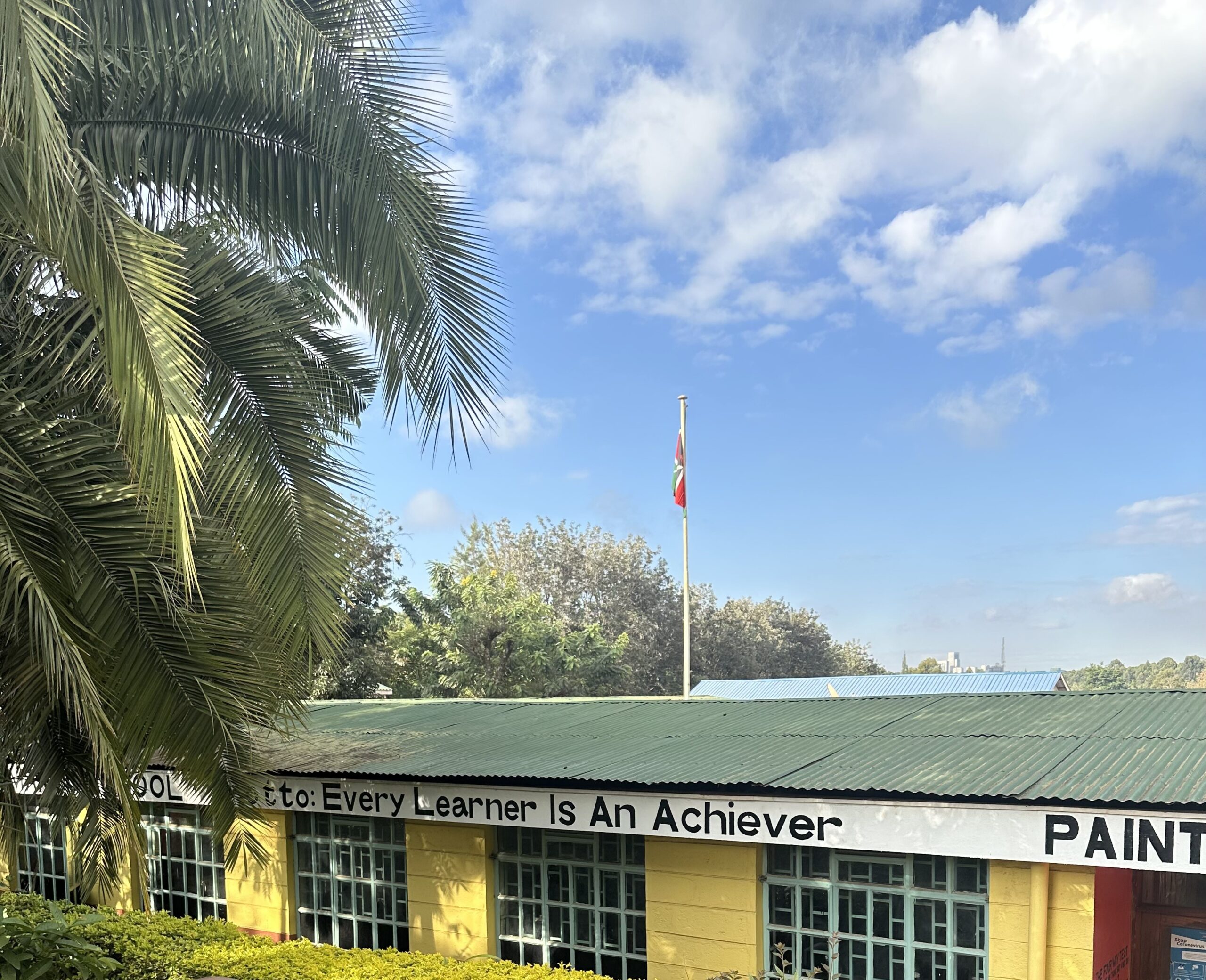
Rebuilding the Foundation: Why Early Learning Matters for Africa’s Future

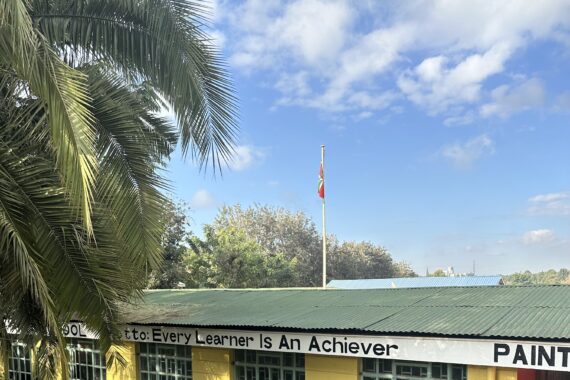
Across emerging markets, the pursuit of shared prosperity increasingly points to a quiet and often overlooked engine of progress: foundational learning. The ability to read, write, and reason by the early years of primary school shapes every subsequent stage of a student’s educational journey and a country’s economic trajectory. Yet, in many parts of Africa,…

Resilience Bonds: Financing Protection Before the Storm

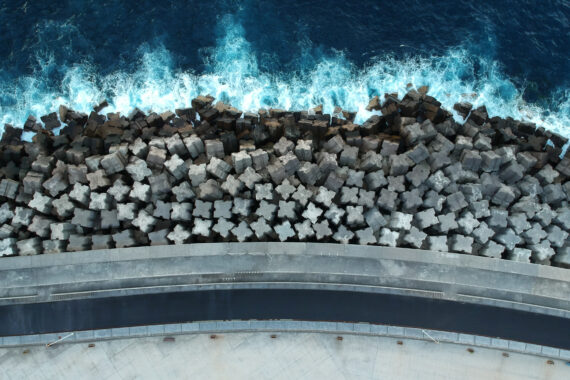
When heavy rains once again pushed parts of Porto Alegre in Brazil underwater last year, it underscored a pattern across many emerging markets: climate shocks are arriving faster than cities can rebuild. For emerging economies, climate-related disasters can cost approximately 0.3% of GDP annually, yet nearly 70% of those economic losses remain uninsured [1]. Floods…

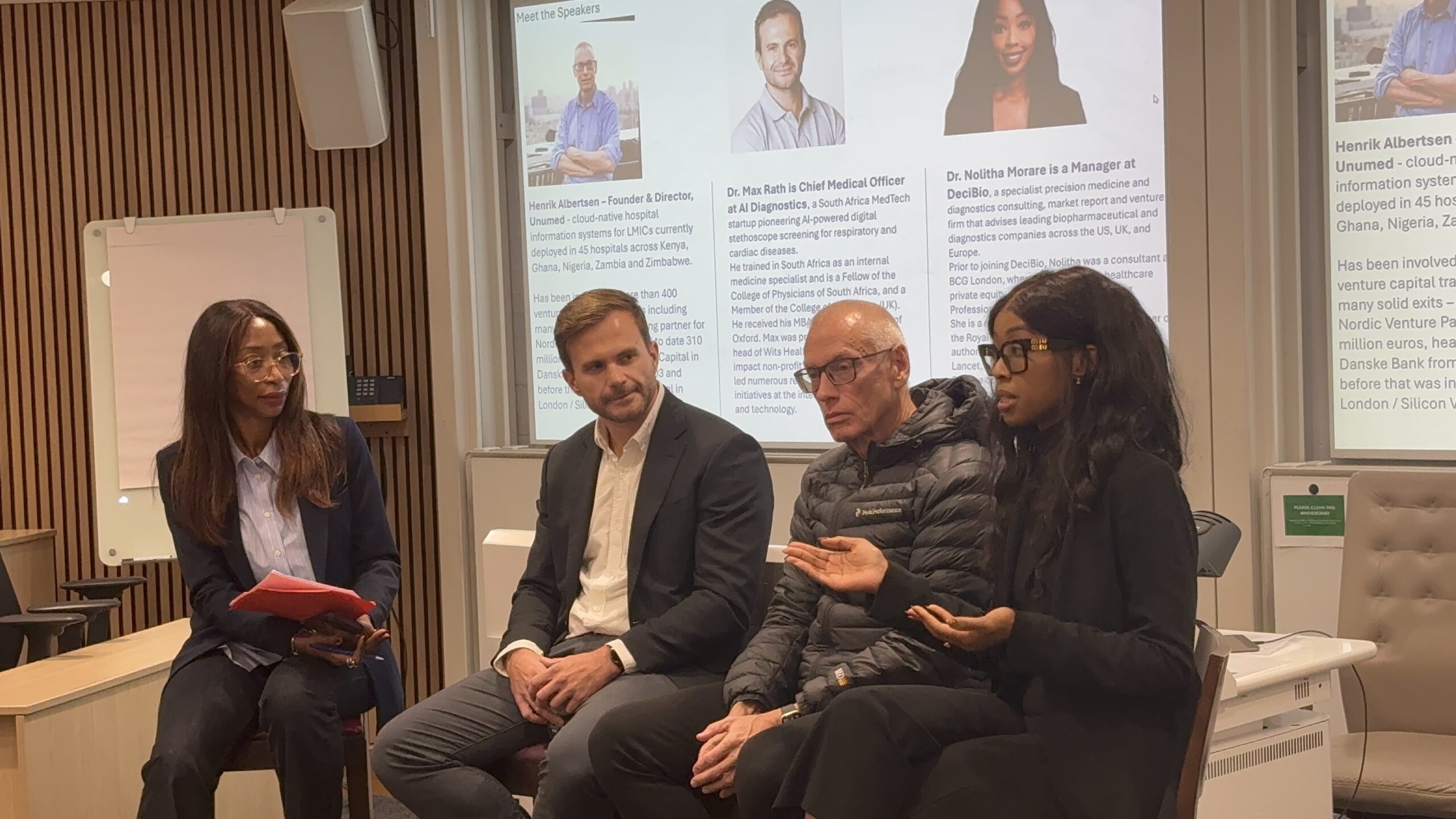
Leapfrogging Healthcare: Digital Health & AI in Resource-Limited Settings

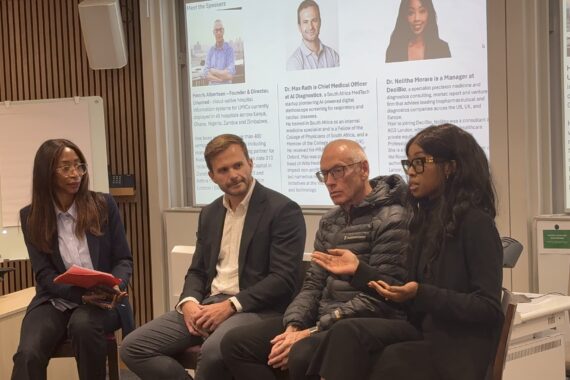
Artificial intelligence (AI) and digital tools are often presented as the future of healthcare. But for countries such as Nigeria and South Africa, the question is more urgent: can these technologies help address today’s gaps in access, quality, and affordability? With the support of Wheeler Institute for Business and Development, London Business School Health Club…

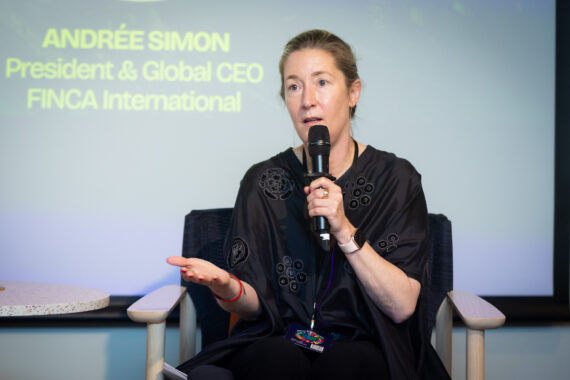
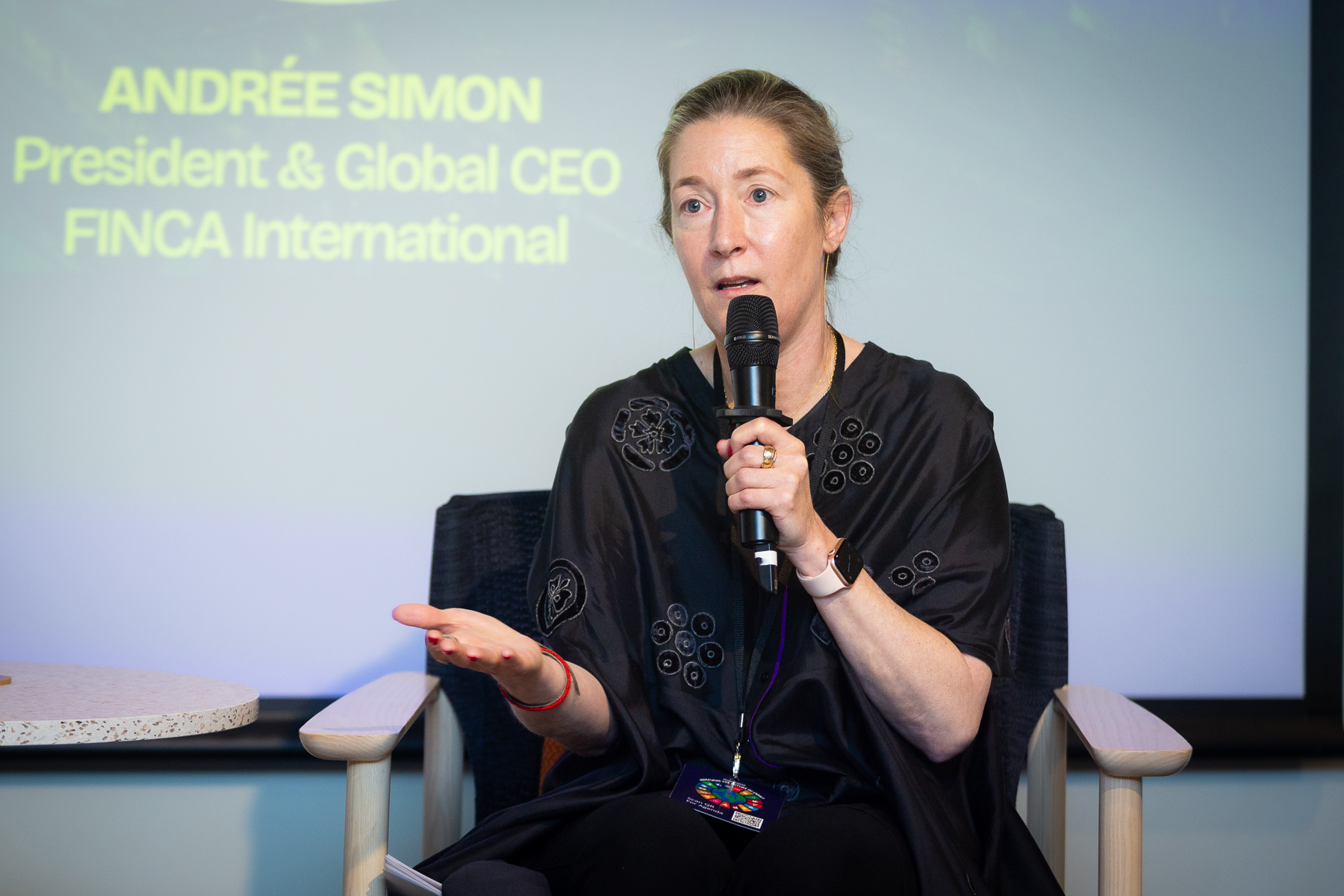
Unleashing Human Potential: Andrée Simon on Redefining Poverty Solutions for Social Impact

In a compelling fireside chat at the 2025 Social Impact Conference, hosted by the Social Impact Club of London Business School in collaboration with the Wheeler Institute for Business and Development, Andrée Simon, Global CEO of FINCA shared her vision for transforming global capital flows to better serve those most in need. Moderated by Rajesh…

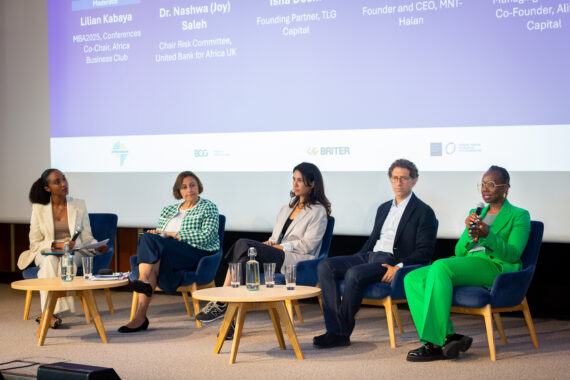
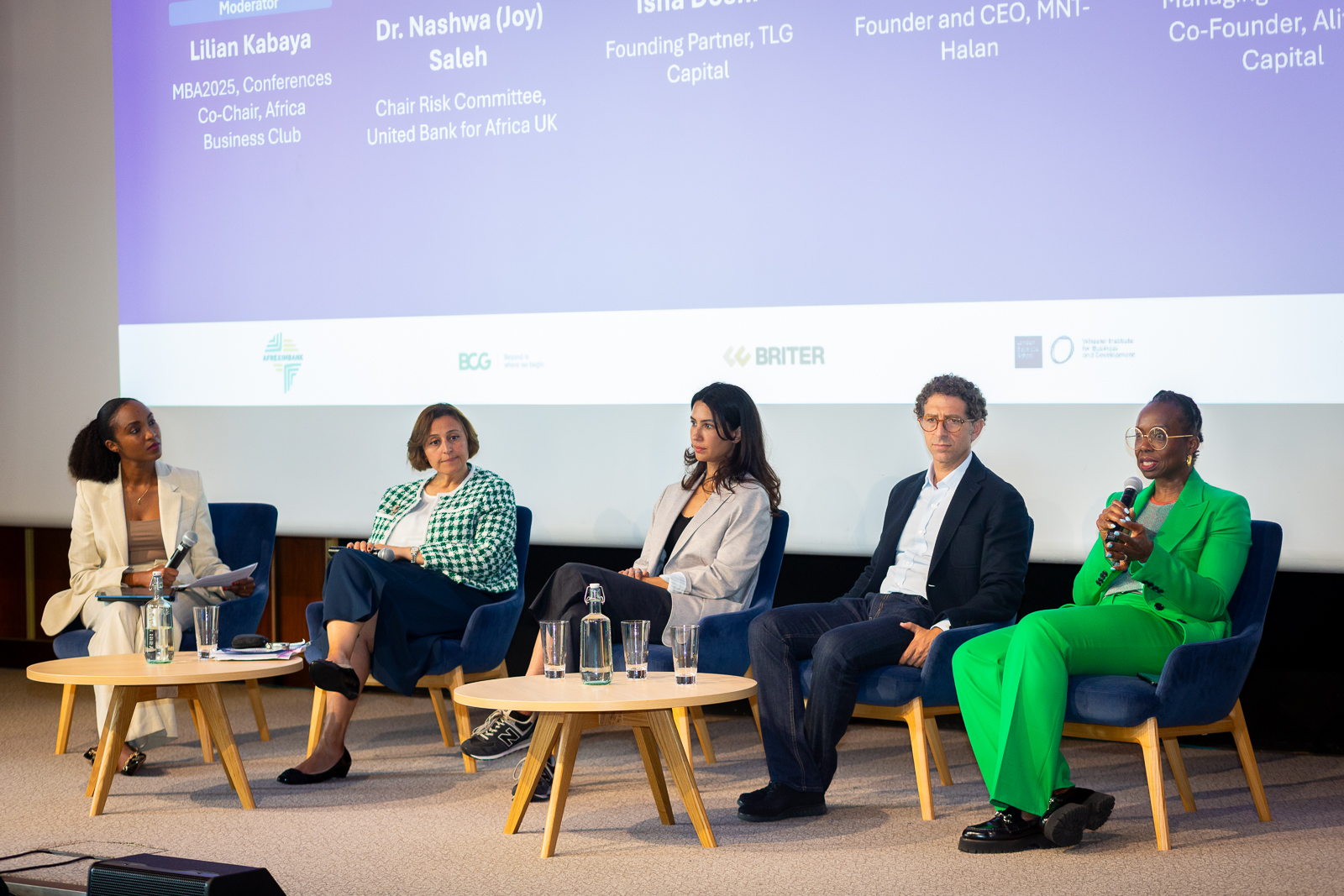
23rd Africa Business Summit: Designing Africa-Centric Growth Models for 2050

On 31 May 2025, the Africa Business Club at London Business School, with the support of the Wheeler Institute, hosted the 23rd Africa Business Summit under the theme: Designing Africa-centric Growth Models for 2050: 25 Years to Build, 2.5 Billion Futures to Shape. Against a backdrop of mounting global uncertainty and shifting development paradigms, the…

Leadership in a Changing World: Roula Khalaf as the First Female Editor of the Financial Times

With trust in media under pressure and technology reshaping how information is consumed, what does it take to lead one of the world’s most influential media outlets? The Trailblazers series hosted by the Women in Business Club, a fireside chat with Roula Khalaf — the first female and foreign-born Editor of the Financial Times in…

Micro entrepreneurship – The Beating Heart of Emerging Economies

Microentrepreneurship—the practice of individuals operating small, often informal businesses with limited capital—plays a critical role in economies worldwide. It provides livelihoods, fosters innovation, and builds community resilience.​ At London Business School, learning happens far beyond the classroom. Two flagship experiential programs—the Johannesburg Global Business Experience (GBE) and Digital for Impact (DFI)—offer MBA students hands-on consulting…