
Rebuilding the Foundation: Why Early Learning Matters for Africa’s Future

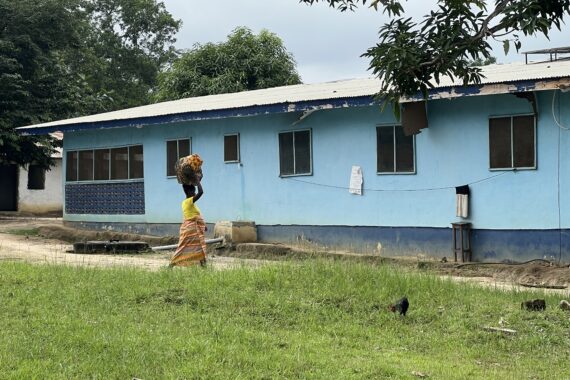
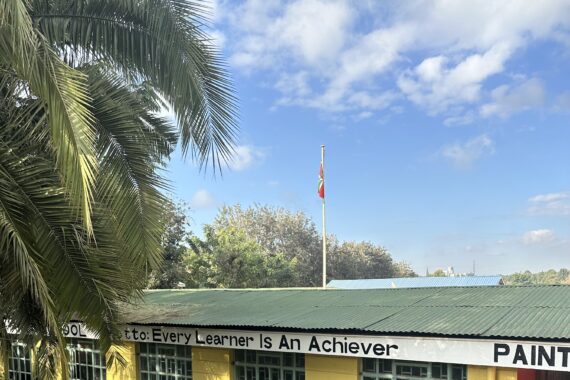
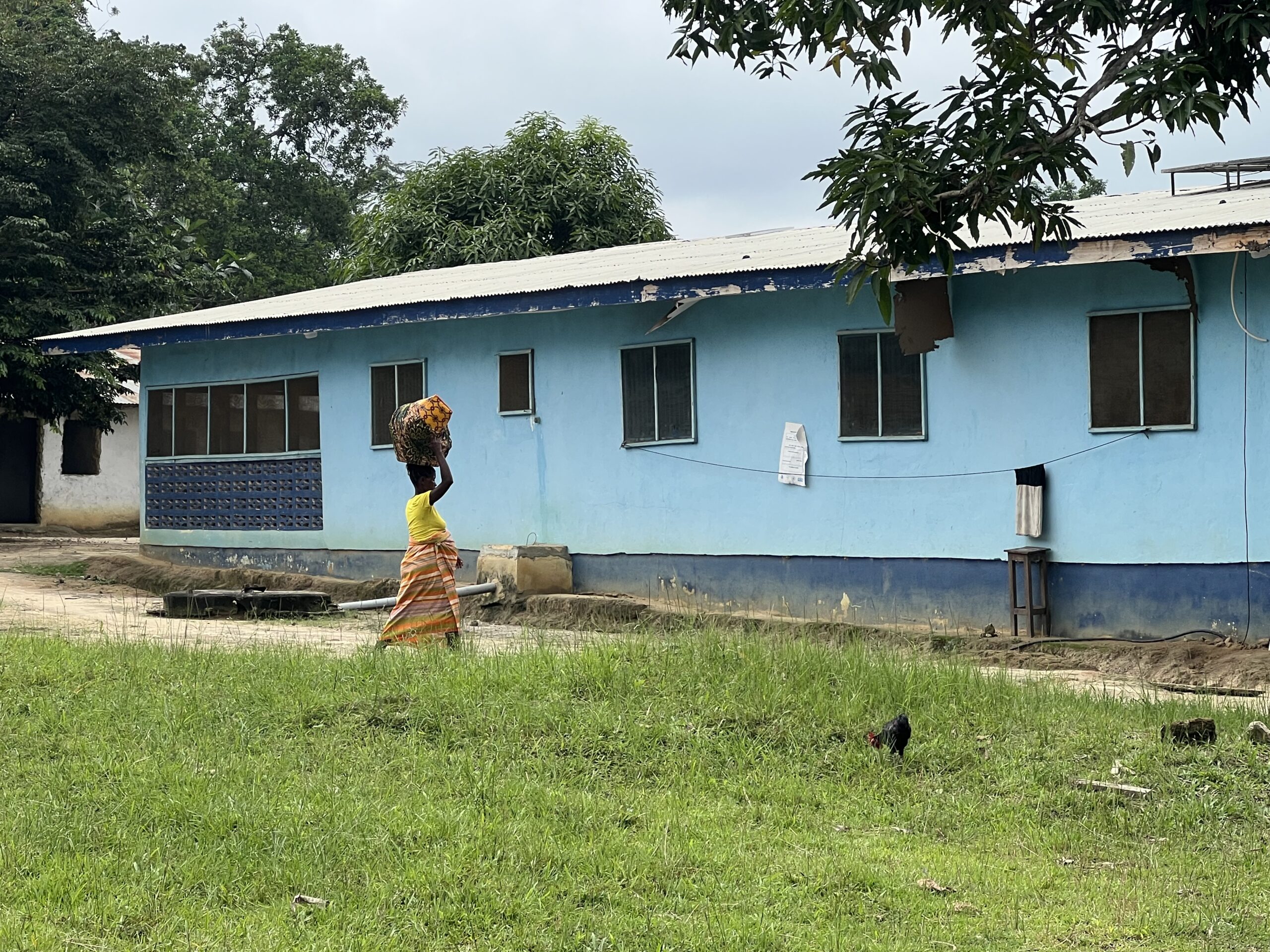
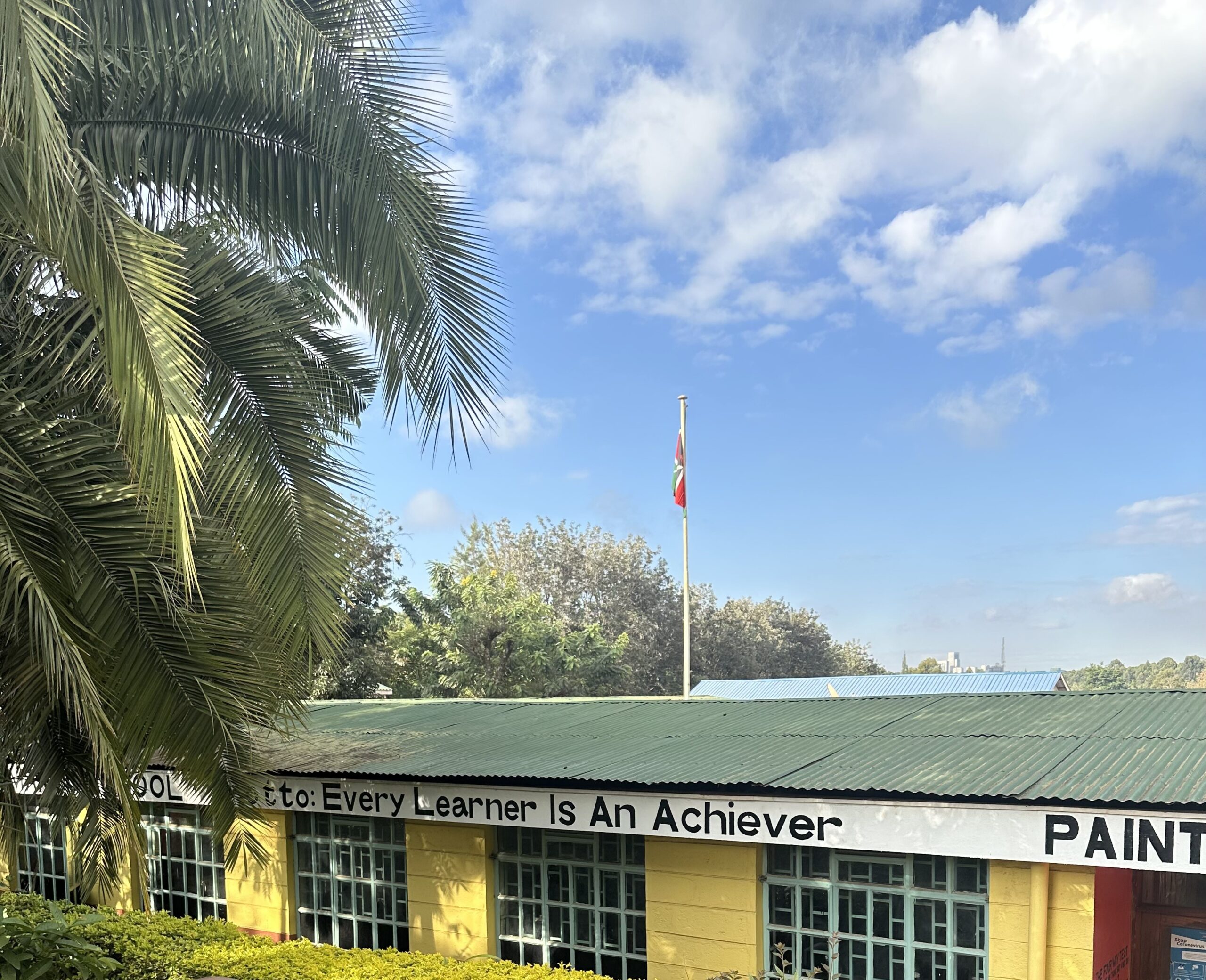
Across emerging markets, the pursuit of shared prosperity increasingly points to a quiet and often overlooked engine of progress: foundational learning. The ability to read, write, and reason by the early years of primary school shapes every subsequent stage of a student’s educational journey and a country’s economic trajectory. Yet, in many parts of Africa,…

Resilience Bonds: Financing Protection Before the Storm

When heavy rains once again pushed parts of Porto Alegre in Brazil underwater last year, it underscored a pattern across many emerging markets: climate shocks are arriving faster than cities can rebuild. For emerging economies, climate-related disasters can cost approximately 0.3% of GDP annually, yet nearly 70% of those economic losses remain uninsured [1]. Floods…

Micro entrepreneurship – The Beating Heart of Emerging Economies

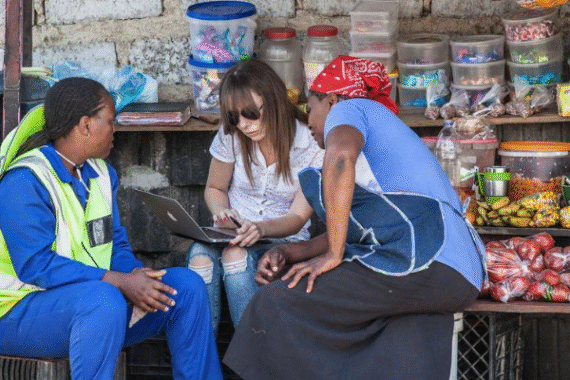
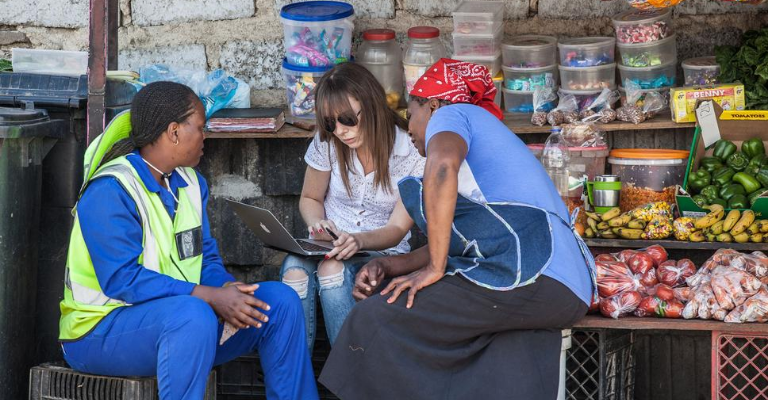
Microentrepreneurship—the practice of individuals operating small, often informal businesses with limited capital—plays a critical role in economies worldwide. It provides livelihoods, fosters innovation, and builds community resilience.​ At London Business School, learning happens far beyond the classroom. Two flagship experiential programs—the Johannesburg Global Business Experience (GBE) and Digital for Impact (DFI)—offer MBA students hands-on consulting…

Immersive Consulting at LBS: Comparing two learning experiences in Africa

At London Business School, learning happens far beyond the classroom. Two flagship experiential programs—the Johannesburg Global Business Experience (GBE) and Digital for Impact (DFI)—offer MBA students hands-on consulting opportunities in emerging markets. Both courses allow students to work directly with African entrepreneurs, but their design and delivery highlight different aspects of experiential learning. In a…

Blue Bonds: The Future of Sustainable Finance for Emerging Economies

As climate change accelerates, countries face mounting pressure to invest in sustainability. However, for many emerging economies, financing climate action remains a challenge. Traditional green bonds have provided capital for environmental projects, but they are primarily focused on land-based initiatives such as renewable energy and reforestation. In contrast, blue bonds specifically target marine conservation and…

COP29's carbon market deal benefits businesses but overlooks protections for Global South communities, raising equity concerns.

Carbon Markets at COP29: Unpacking the Impact on Developing Nations

Last year, as COP29 concluded, the adoption of standards for Article 6.4 on its opening day sparked a range of reactions. For businesses, it marked a significant step forward, offering a clearer framework to engage in the global carbon market. However, for climate justice advocates, it represented a missed opportunity to embed stronger safeguards and…

Empowering Women in Africa: Unlocking Financial Freedom and Economic Growth for a Brighter Future

Empowering Women in Africa: Unlocking Financial Freedom and Economic Growth for a Brighter Future

Across Africa, systemic barriers continue to limit women’s economic participation. From restricted access to credit and property rights to deeply entrenched social norms, these challenges perpetuate cycles of poverty and exclusion. Yet, empowering women economically is not just an ethical imperative—it is a proven strategy for driving sustainable growth and development. Globally, women reinvest up…

Gridlock and Socio-Economic Development in Latin America: the Case of Bogota

In Latin American countries, where rapid urbanisation and population growth are common characteristics, the role of transportation in facilitating access to metropolitan areas and its consequent effect on regional economic performance is more important than it may initially appear. However, the traffic ‘gridlock’ is a significant challenge to many cities’ aspirations. Moreover, poor transport networks…

Special Economic Zones Unveiled: Lessons from China’s Success Story

Special Economic Zones (SEZs), first implemented in 1959 in Ireland, were designed to stimulate the inflows of Foreign Direct Investments (FDIs), boost exports and employment, and generate growth spillovers in local regions. The term “SEZ” encompasses various zones like export-processing zones, industrial parks, and others. It can be generally defined as a designated area within…

Latin America’s Food Dilemma: Balancing the Global Crisis with Local Needs 

The world is facing a severe food crisis. The latest State of Food Security and Nutrition report stated that around 2.4 billion people across the planet faced moderate to severe food insecurity in 2022, including 900 million with severe food insecurity.1 Although the global hunger rates have stabilised since the COVID-19 crisis, they remain significantly…