Across emerging markets, the pursuit of shared prosperity increasingly points to a quiet and often overlooked engine of progress: foundational learning. The ability to read, write, and reason by the early years of primary school shapes every subsequent stage of a student’s educational journey and a country’s economic trajectory. Yet, in many parts of Africa, this foundation remains fragile. For example, in Kenya, 79% of children at late primary age cannot read with comprehension (World Bank, 2024).
Bridging gaps: access, confidence, and scalable innovation
Lack of comprehension is a challenge, not of capability, but of access. As often stated, “talent is universal, but opportunity is not.” When students struggle to grasp the basics, it is rarely due to a deficit of intelligence or ambition, but rather often due to uneven instructional quality and resource limitations. In such environments, even the most motivated learners find it difficult to thrive.
Foundational learning goes beyond literacy and numeracy. It also encompasses the confidence and cognitive habits that enable lifelong growth. During my time volunteering at a local public school in Kenya, I had the opportunity to work directly with students each week, helping them navigate new concepts and encouraging them to speak up and experiment. Witnessing their growing confidence firsthand, I saw how guidance and support could open doors that textbooks alone could not. I learned that confidence must be deliberately cultivated, not assumed. When students engage without fear of being wrong, comprehension deepens, confidence grows, and learning accelerates.
Additionally, EdTech, when deployed responsibly offers powerful opportunities to bridge these comprehension gaps. Adaptive platforms can personalize instruction, allowing learners to progress at their own pace and revisit concepts until they fully understand them. Technology does not replace educators, but rather enhances their ability to meet learners where they are and expand the reach of quality instruction. Models that demonstrate accessibility rather than sophistication, and powerful solutions designed around the realities of the communities they seek to serve are particularly powerful in this context. These possibilities were further underscored at the Wheeler Institute event, “Harnessing AI for Inclusive Employment and Growth.” Speakers emphasized the transformative potential of digital innovation in reimagining African education systems and that innovation must be both locally relevant and widely disseminated to drive change, all of which can begin at the foundational level.
Looking ahead
Strengthening foundational learning is not merely an educational aspiration; it is an economic imperative. No workforce can be future-ready if its earliest learners are left behind. Ensuring that every child can read with understanding, think critically, and participate confidently in the classroom remains one of the highest returns on investment a society can make. Given Africa has the world’s youngest population, with approximately 70% of sub-Saharan African under the age of 30 (UN Office of the High Representative for LDCs [1] ), Africa’s future will be shaped by its young people. Laying strong foundations today is the surest path to unlocking the continent’s potential and turning it into progress.
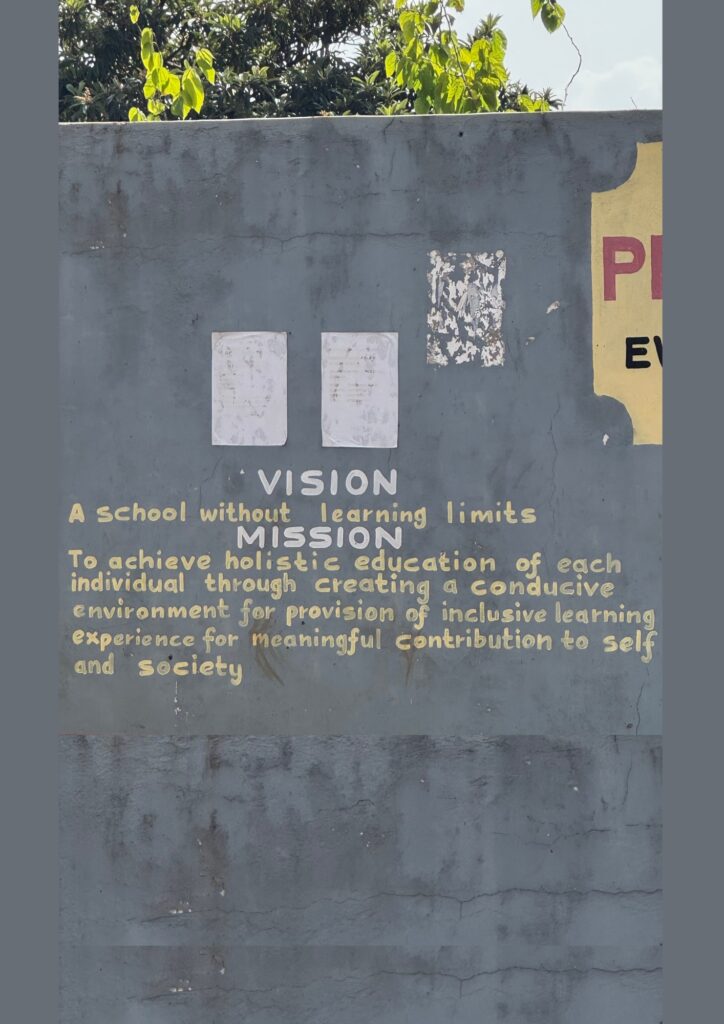
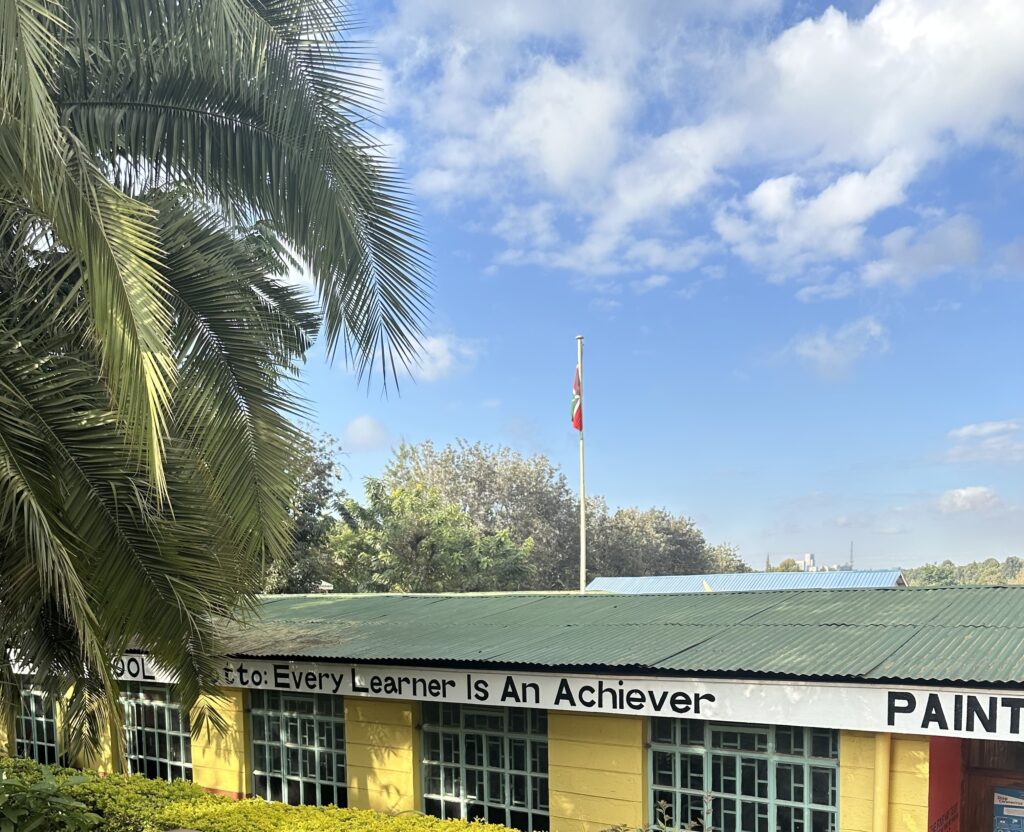
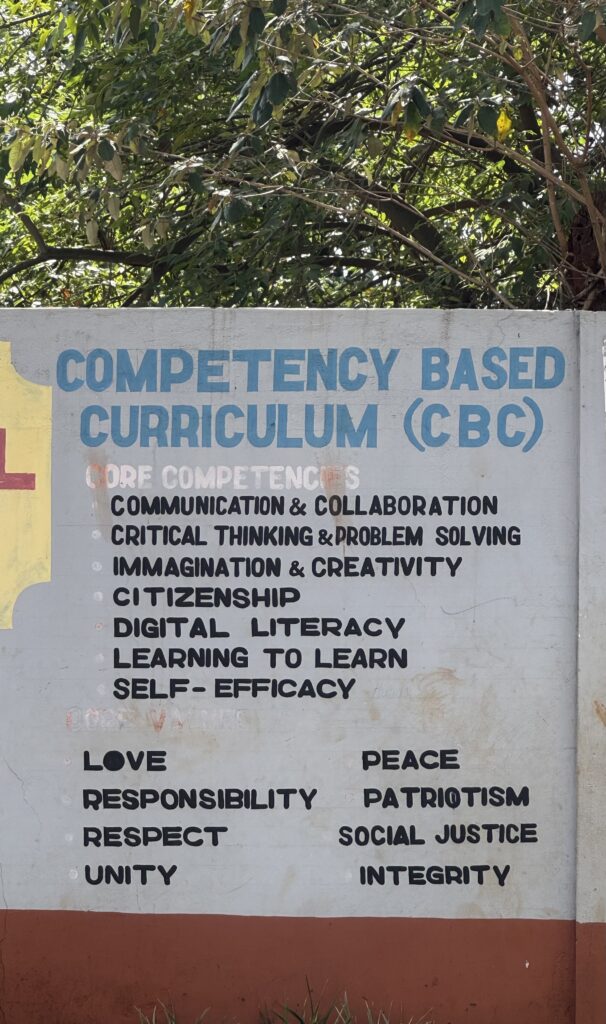
Photos by the author
[1] United Nations Office of the High Representative for the Least Developed Countries, Land‑locked Developing Countries and Small Island Developing States. (n.d.). Young people’s potential, the key to Africa’s sustainable development https://www.un.org/ohrlls/news/young-people%E2%80%99s-potential-key-africa%E2%80%99s-sustainable-development

Joanne Ngotho is an MBA class of 2027 candidate at London Business School and a Research Intern at the Wheeler Institute for Business and Development. She previously worked at McKinsey & Company (Nairobi), advising clients across Africa on projects in both the private and public sectors. Joanne is driven by a desire to tackle the root causes of Africa’s development challenges and shape solutions that operate at scale, with a core focus on strengthening education systems as a foundation for long-term growth.
Student voice
The Wheeler Institute for Business and Development is seeking to understand, illuminate and offer solutions to the challenges faced by the developing world, with an aim to identify the role of business in addressing these challenges and a focus on the implications and actions for those in developing countries. In support of our students, we approach this blog section as a reflective platform and a space where individuals can generate debate as long-term agents of positive change. This article is solely authored by a student and reflects their individual research, opinion and point of view and is not based on research led or supported by the Wheeler Institute.