Fireside Chat with the Governor of the Reserve Bank of India, Shri Sanjay Malhotra

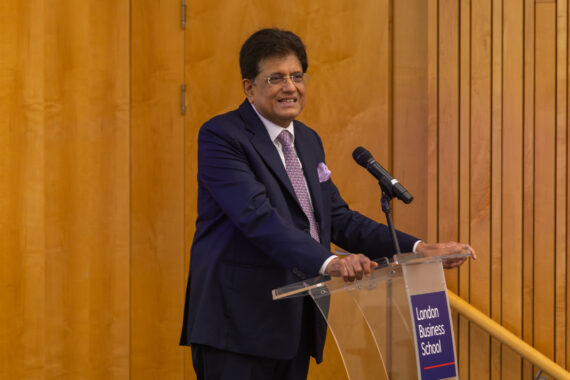
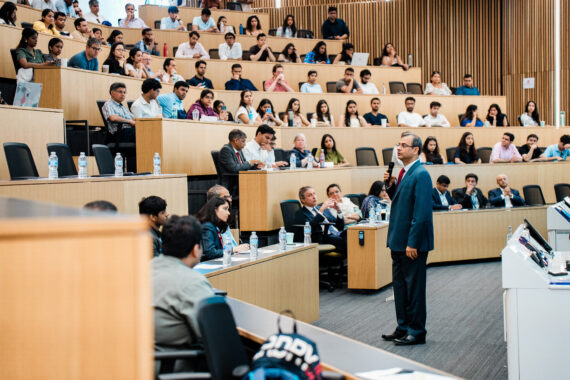
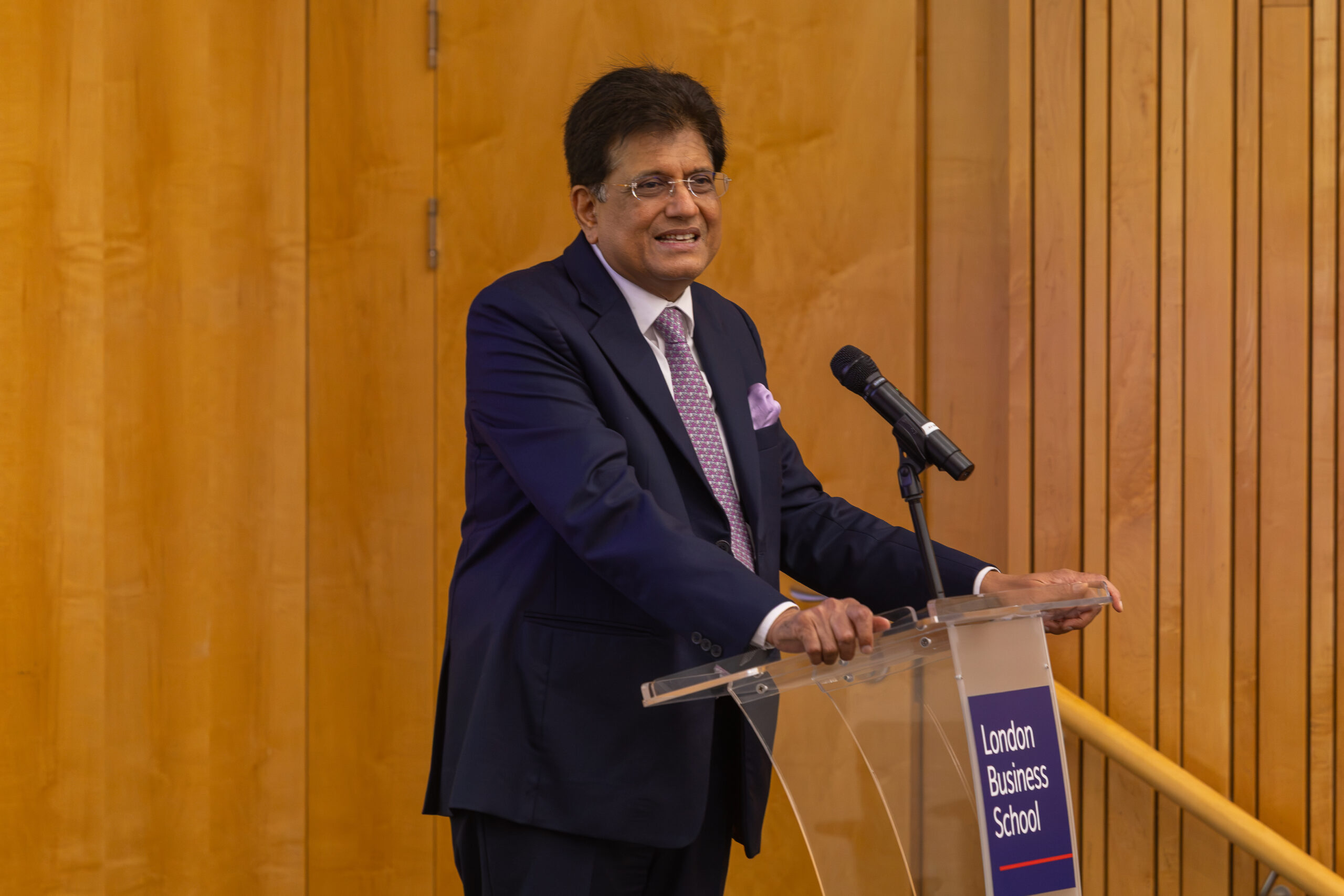
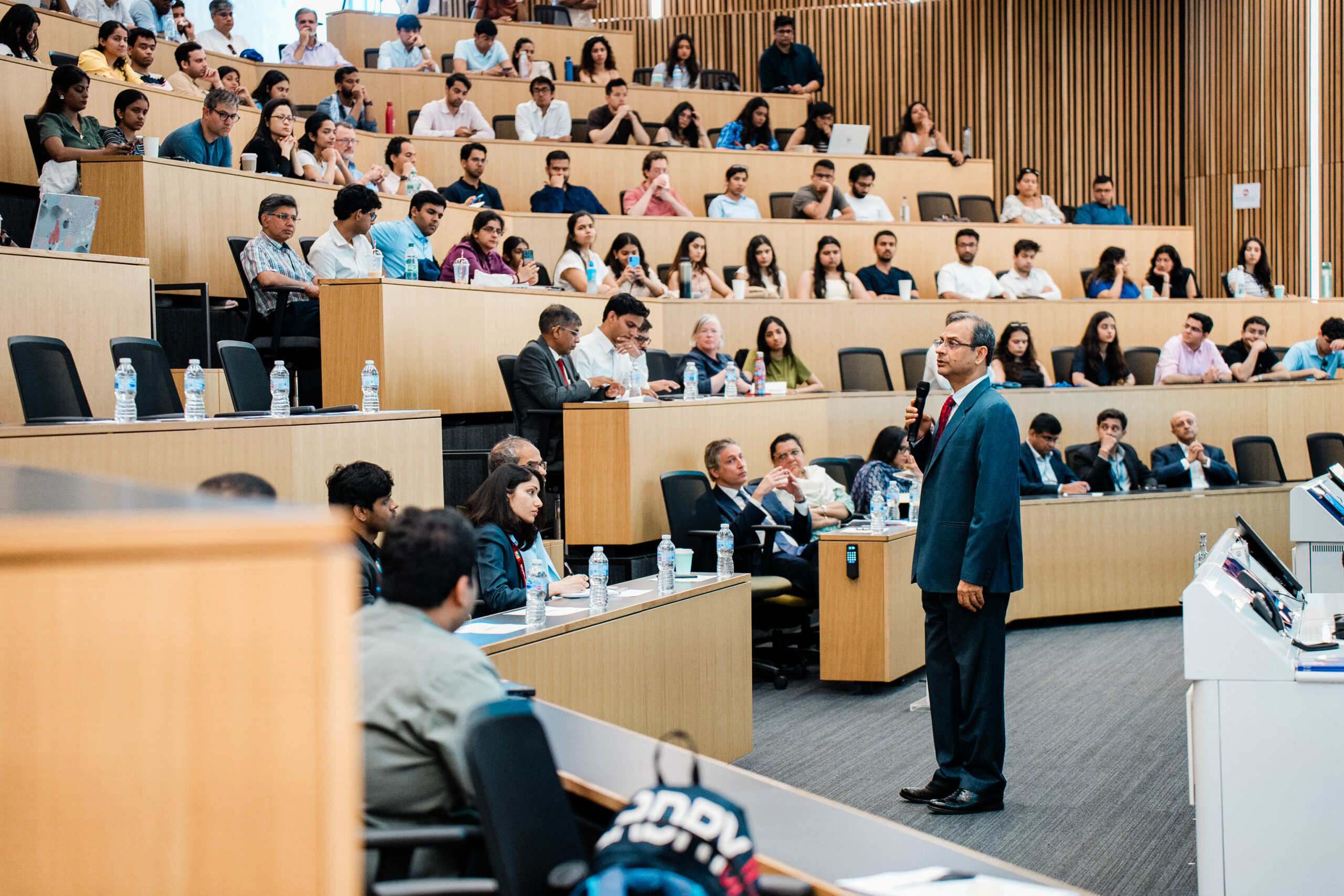
The India Club at London Business School and LBS India Alumni Club were delighted to host an exclusive fireside chat at London Business School with the Governor of the Reserve Bank of India, Shri Sanjay Malhotra. The event was part of the INDSpire Speaker series of the India Club and was supported by the Wheeler…

24th Africa Business Summit: From Potential to Progress- Building Africa’s next Growth Chapter

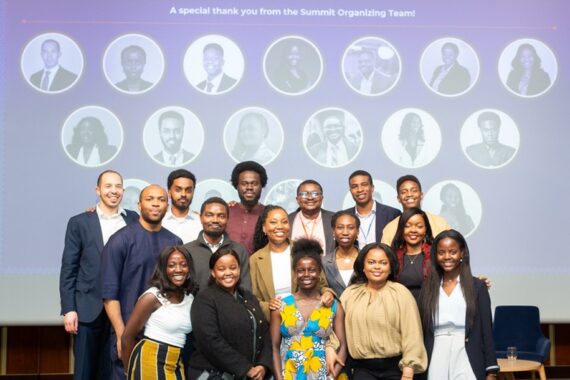
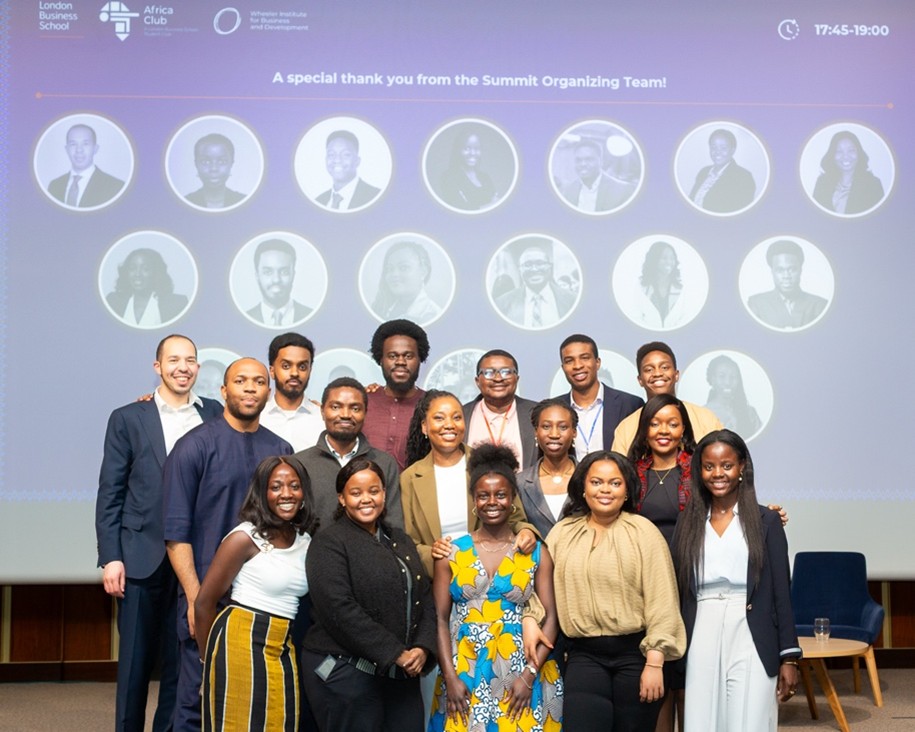
The LBS Africa Business Club hosted the 24th Africa Business Summit, supported by the Wheeler Institute, on London Business School’s campus. This year’s summit theme, “From Potential to Progress: Building Africa’s next Growth Chapter”, focused on business-led, homegrown models that address the continent’s pertinent development challenges and the opportunities that arise alongside. Key topics such as…

Scaling Impact. Leading Change – 2026 Impact Summit at LBS

How do we scale impact when the path forward isn’t straightforward? Hosted by the Social Impact Club at London Business School with the support of the Wheeler Institute for Business and Development, the annual summit took place on April 16, 2026 and brought together a diverse community of founders, business practitioners, students, researchers and institutional…

Narrowing the Gap to Safe Births: LBS research using data to improve the odds of safe birth in rural Africa

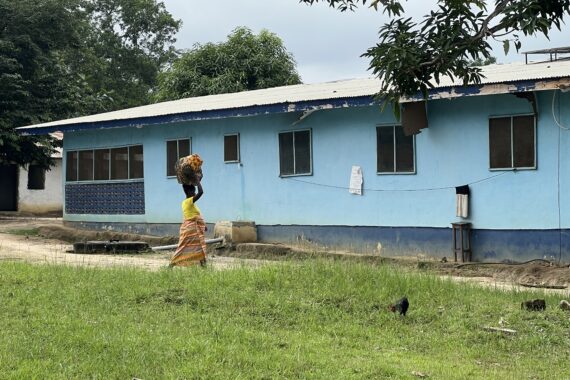
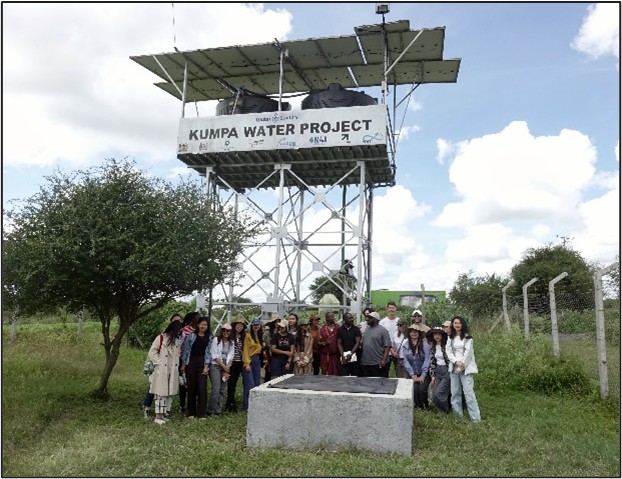
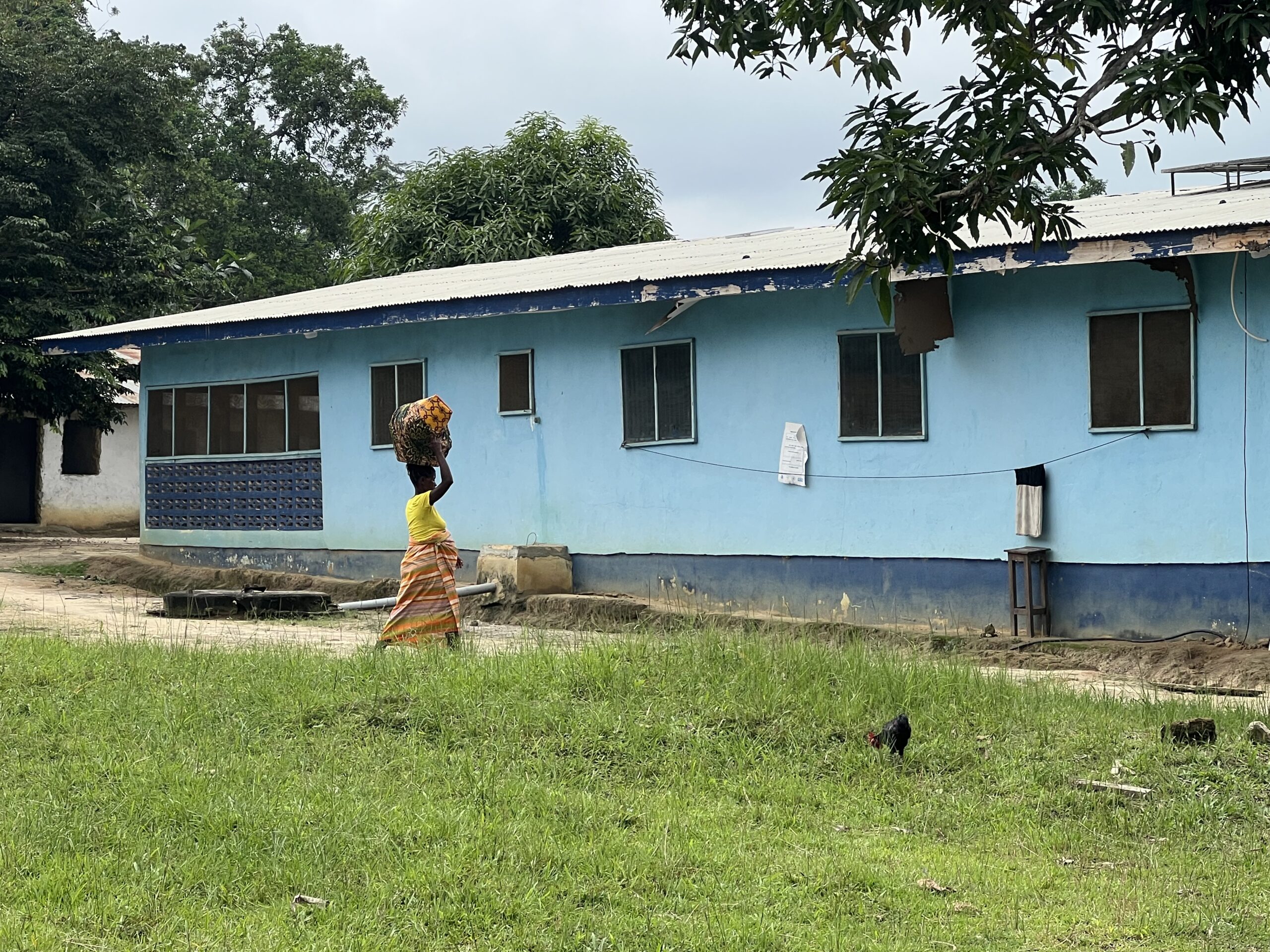
Jérémie Gallien is the author of several research papers that address healthcare problems in developing economies. He is collaborating with an academic team hailing from London Business School and other institutions in the USA and Liberia and an implementation team of people from the Ministry of Health in Liberia on a research project on reducing…

The Edge of Equity: Deploying Adaptive Learning Tools in Low-Connectivity Classrooms

The World Bank’s ‘Learning Poverty’ crisis presents a staggering challenge: the majority of ten-year-olds in low- and middle-income countries cannot read a simple text.[1] This is not simply an access problem. Even children who are in school are not receiving teaching adapted to their needs. For too long, development agencies have wrestled with a seemingly…

Planting Trees in Nicaragua: Tackling Dust Storms & Supporting Sustainable Peanut Supply Chains

Communities on the outskirts of León, Nicaragua have faced a dire environmental and public health challenge that has intensified over the past decade. Large-scale deforestation and intensive peanut farming have removed natural windbreaks, leaving soils exposed to strong seasonal winds. The result is tolvaneras, or dust storms, that darken the sky, disrupt daily life, and…

Sustainable entrepreneurship as the hope for transformation in Sub-Saharan Africa: The Case Study of Ghana

Ghana has a significant political history, as it was the first Sub-Saharan African country to achieve independence from colonial rule in 1957. Despite its role as a forerunner for economic freedom, the country continues to face significant challenges at the core of its development, including but not limited to frequent global economic shocks, fluctuating inflation…

Infrastructure as a Catalyst for Development in Latin America

At the 20th LATAM Business Forum, organised by the LATAM Business Club and the Brazil Business Club at London Business School on March 4th 2026, one idea stood out across very different conversations: development in Latin America in this era is highly dependent on infrastructure. Not only roads, ports or power grids, it is also…

Rebuilding the Foundation: Why Early Learning Matters for Africa’s Future

Across emerging markets, the pursuit of shared prosperity increasingly points to a quiet and often overlooked engine of progress: foundational learning. The ability to read, write, and reason by the early years of primary school shapes every subsequent stage of a student’s educational journey and a country’s economic trajectory. Yet, in many parts of Africa,…

Resilience Bonds: Financing Protection Before the Storm

When heavy rains once again pushed parts of Porto Alegre in Brazil underwater last year, it underscored a pattern across many emerging markets: climate shocks are arriving faster than cities can rebuild. For emerging economies, climate-related disasters can cost approximately 0.3% of GDP annually, yet nearly 70% of those economic losses remain uninsured [1]. Floods…