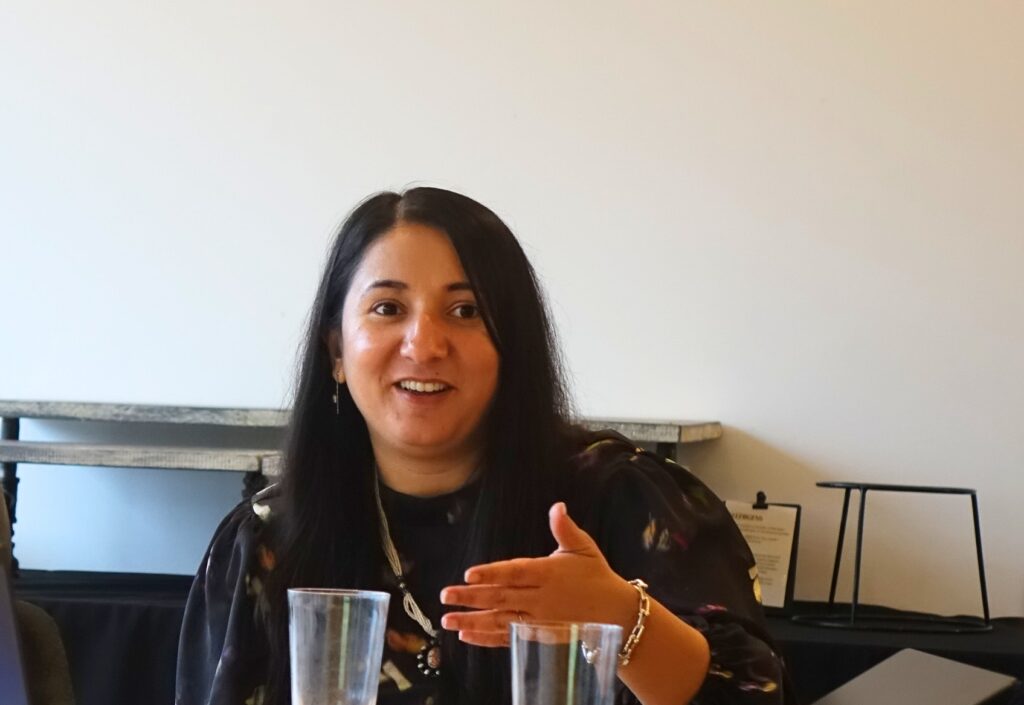
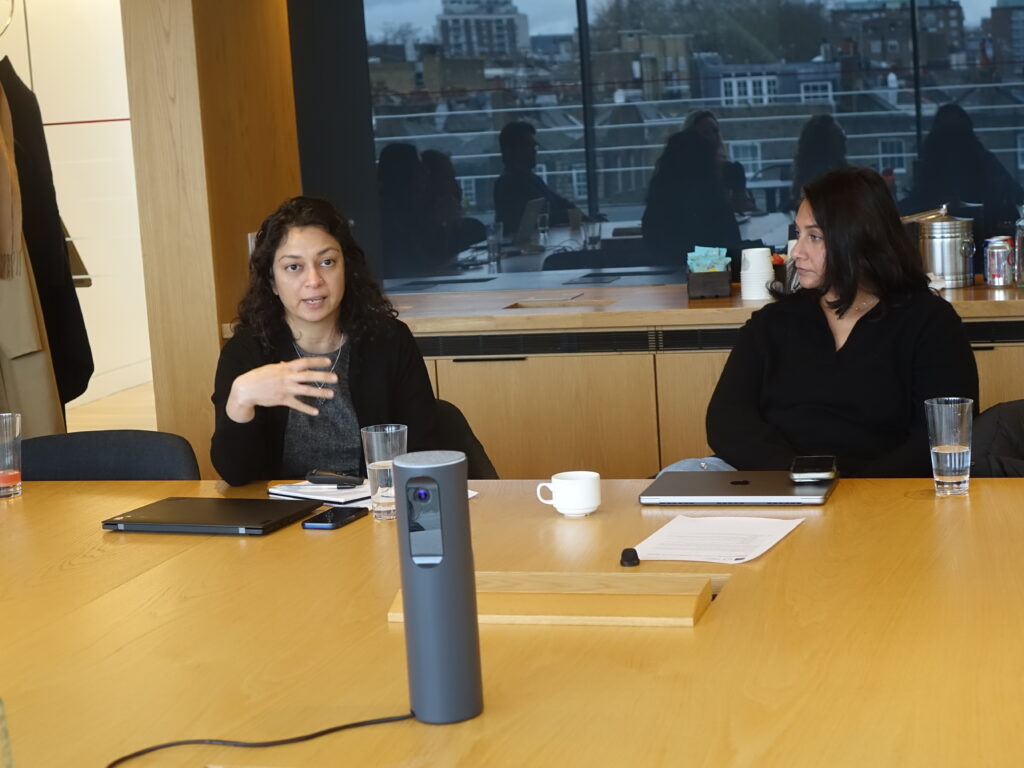
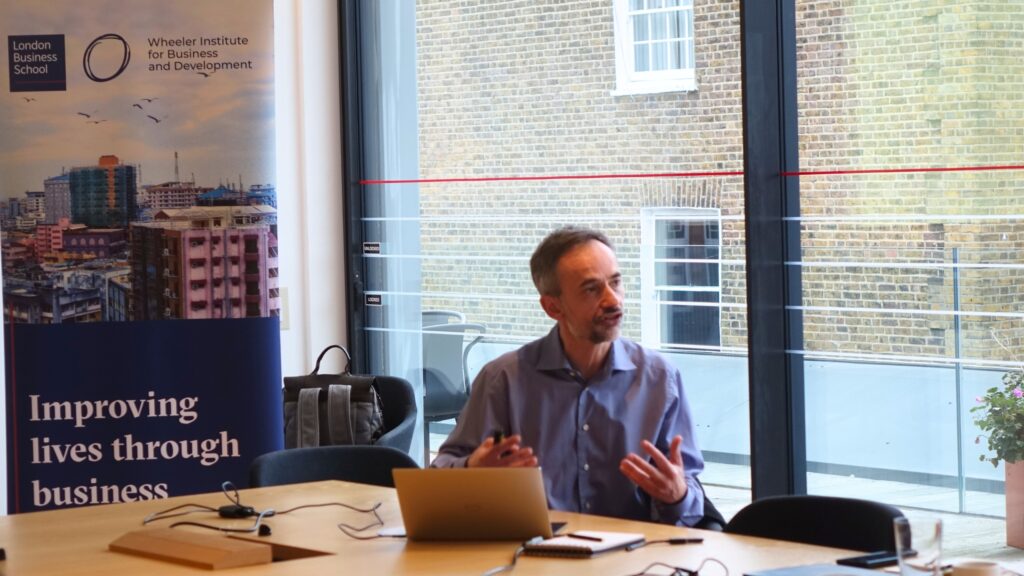
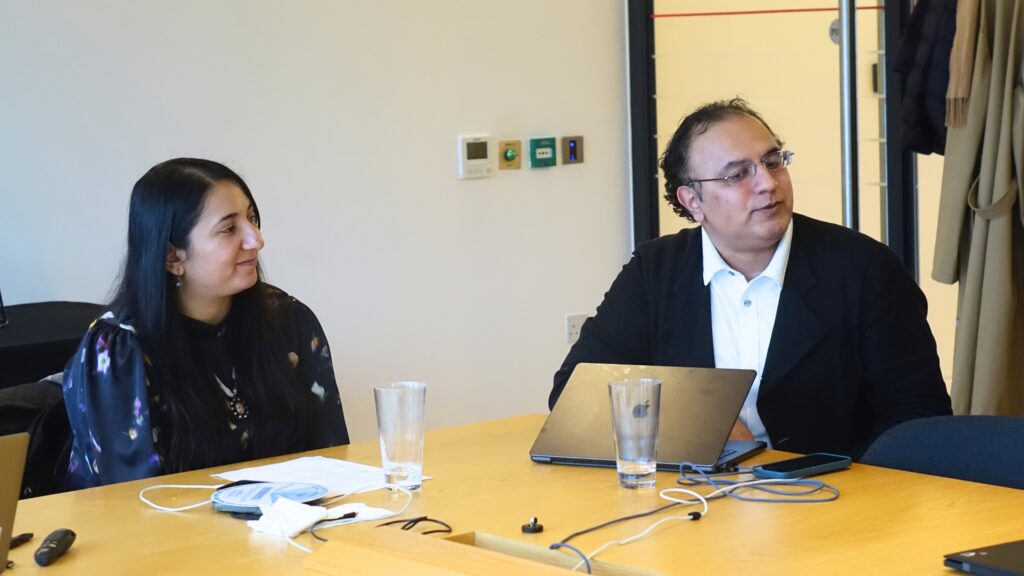
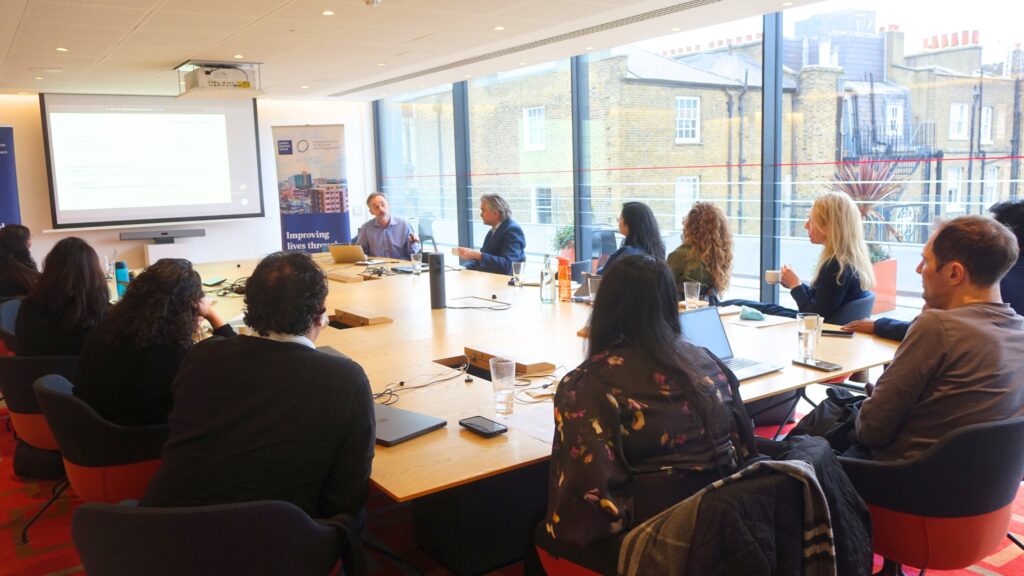
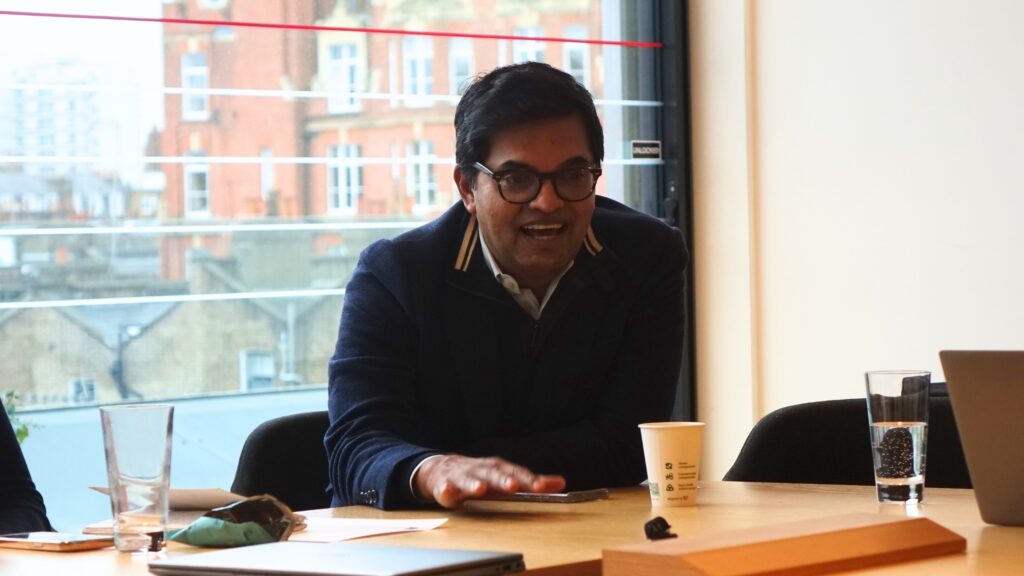
The Wheeler Institute for Business and Development hosted a research exchange session bringing together colleagues from the Gates Foundation, LBS Faculty, LBS PhD students, and research collaborators. The session aimed to foster dialogue on institutional priorities, ongoing research, with a particular focus on the Foundations’ Women Economic Empowerment (WEE) division, specifically its work in South Asia and Sub-Saharan Africa. Representing the Gates Foundation, were Diva Dhar, Deputy Director of Women’s Economic Empowerment, and Sumana Hussain a Senior Program Officer in the same division.
Gates Foundation and Women Economic Empowerment
Women and girls face intersecting barriers shaped by income, geography, and social norms – that limit their economic participation. The Gates Foundation’s Women’s Economic Empowerment (WEE) division addresses these challenges by expanding women’s opportunities to earn, control, and grow their incomes. Its goal is to improve economic mobility for 60 million women in South Asia and Sub-Saharan Africa by 2035.
Working with governments, NGOs, and the private sector, WEE combines research, pilots, and scalable solutions. The approach centers on evidence-based interventions that strengthen women’s economic resilience. These include supporting women’s collectives, improving access to finance and markets, and using data to inform policy. WEE also tackles enabling factors such as childcare, health, and social norms. Women’s Economic Collectives (WECs) are central to this strategy, helping women pool resources and access markets. Flagship initiatives like India’s NRLM and Nigeria’s NFWP demonstrate how collective platforms can expand opportunity and financial inclusion at scale.
Ongoing Projects and Impact
India
The National Rural Livelihoods Mission (NRLM) in India is one of the world’s largest poverty alleviation platforms, mobilizing over 100 million women into 9.3 million Self-Help Groups (SHGs) and reaching roughly 61% of rural households. These groups are transforming rural economies by expanding access to capital for marginalized women and strengthening pathways to financial inclusion and sustainable livelihoods. Broader insights on this model are highlighted in this Gates Foundation dialogue on rural development. The program also works alongside other government initiatives, enabling women to better access public services and entitlements. Investments in data systems, digital tools, and technical assistance have further strengthened delivery and impact.
Since 2019, the Gates Foundation has supported NRLM’s evolution from a savings and credit platform into a broader livelihoods accelerator, anchored in federated, community-owned institutions. At the core of this model are Community-Based Organizations (CBOs), which enable scale, deepen community engagement, and build institutional resilience. Evidence generated through NRLM has informed subsequent program design, including early lessons applied to similar initiatives in other contexts such as Nigeria.
Nigeria
The Nigeria for Women Project (NFWP) aims to improve livelihood opportunities for women in targeted communities through a multi-dimensional, long-term approach. Since its launch in 2020, the program has mobilised approximately 480,000 women into Women Affinity Groups (WAGs) and supported over 55,000 women through cooperatives. These groups build social capital and serve as platforms for collective action, enabling women to access grants, training, and support in areas such as financial literacy, savings and loans, and basic business skills, as outlined by the program overview.
The program also promotes innovation to improve both economic and social outcomes, while strengthening connections to formal financial systems. Early results have informed the design of the project’s next phase, particularly in deepening the role of women’s collectives and improving financial access. To date, the formation of WAGs and Livelihood Collectives (LCs), alongside targeted grants, has supported over 300 collectives, with strong gains in financial inclusion with around 88% of participating women now holding bank accounts.
At the public sector level, governments are increasingly institutionalizing stronger data systems to inform policies related to gender, equality, employment, and economic growth. In the private sector, insights from these programs are helping guide the design of more women-centered financial products and interventions, particularly in focal countries where entrepreneurs and last-mile service providers play a key role in expanding economic opportunity. Both the NRLM and NFWP share a similar core approach built around community mobilization and collective action to support women’s economic empowerment. A central learning question is the role of Women’s Economic Collectives (WECs) and whether the formation and active engagement of these groups can meaningfully increase women’s access to and use of capital. From a business model perspective, another key question is how sustainable models can be developed and incentivized to effectively serve low-income-women, supporting income growth, asset accumulation, and economic resilience.
About the Session
The session opened with a short overview of the Wheeler Institute from Tiago Martinho, Executive Director of the Wheeler Institute for Business and Development. This was followed by a presentation from Gaurav Mehta (founder of Dharma Life and LBS alumni) and Rajesh Chandy, Professor of Marketing, Tony and Maureen Wheeler Chair in Entrepreneurship and Co-Academic Director of the Wheeler Institute. Gaurav and Rajesh, introduced the work of DL Labs and highlighted three studies exploring credit and care innovations aimed at advancing women’s economic empowerment, supported by the Gates Foundation. Diva Dhar and Sumana Hussain then shared insights from the Foundation’s objectives and work of the Women’s Economic Empowerment division. The meeting proceeded with Aneeta Rattan, Professor of Organizational Behavior at LBS, who presented an overview of her current research on Boosting Inclusion in Entrepreneurship and in STEM pathways and Jérémie Gallien, Professor of Management Science and Operations at LBS, who presented his current research on maternal health operations.
About the speakers
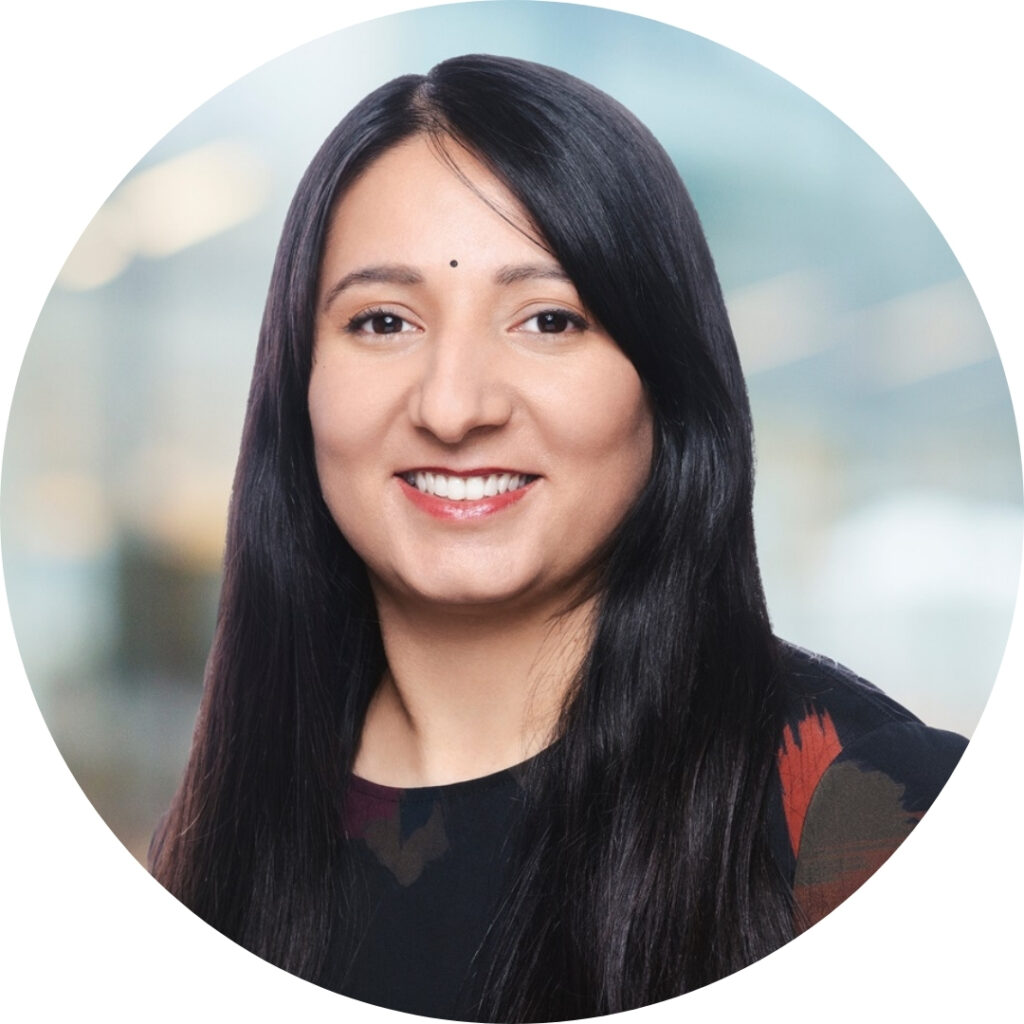
Diva Dhar is the Deputy Director for Women’s Economic Empowerment at the Gates Foundation, where she works on advancing the use of data and evidence to expand economic opportunities for women globally. Her work sits at the intersection of policy, research, and implementation, helping shape strategies that aim to improve income generation, financial inclusion, and long-term economic mobility. Prior to joining the Foundation, she built extensive experience across international development and public policy, working with institutions such as the World Bank, J-PAL, and Innovations for Poverty Action, as well as contributing to policy initiatives in India. Diva holds a Doctor of Philosophy in Public Policy from the University of Oxford and previously studied economics at Yale University and Mount Holyoke College. She is also affiliated with the Oxford Martin School, where her work engages with questions around inclusive growth and the future of development.
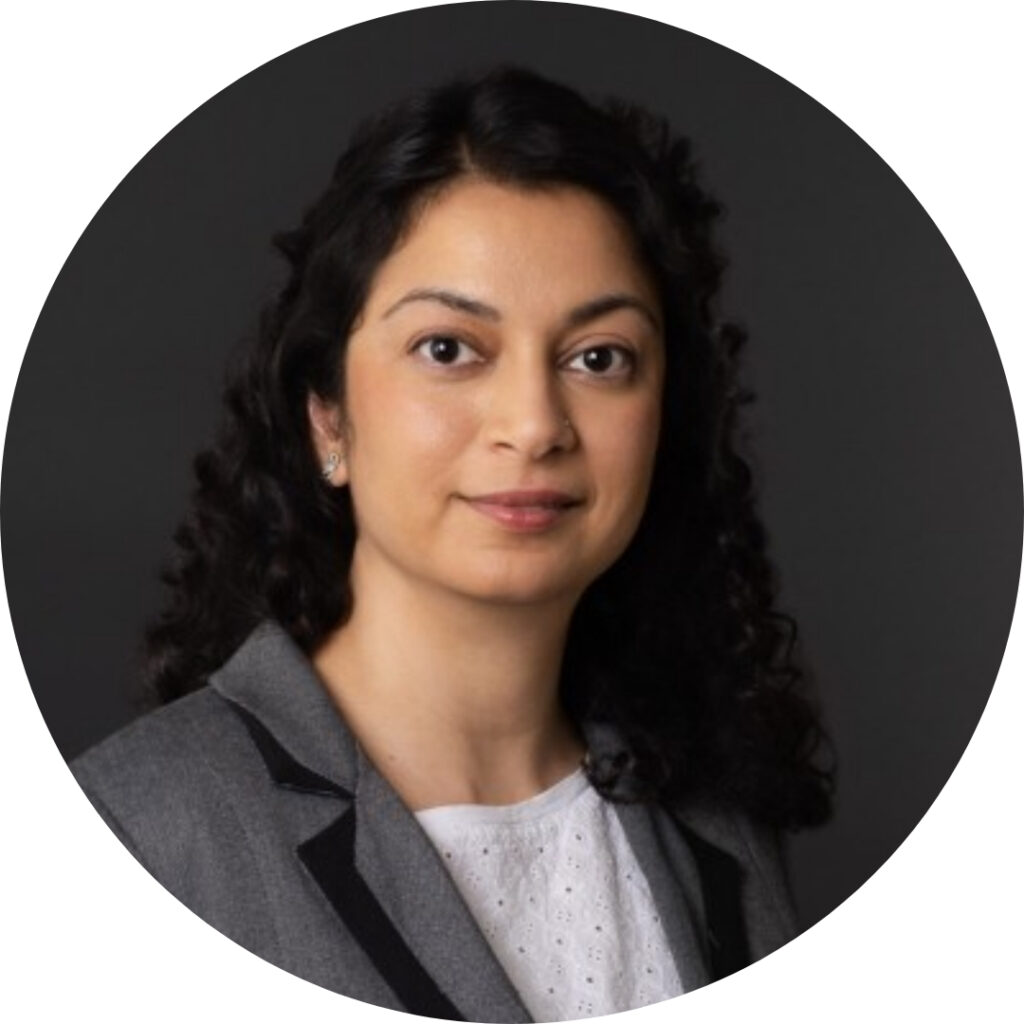
Sumana Hussain is a Senior Program Officer within the Women’s Economic Empowerment team at the Gates Foundation, where she focuses on strengthening the role of data and rigorous analysis in shaping effective development programs. Her work centers on translating research into actionable insights, and on strengthening policy design and implementation across global initiatives. She brings a strong background in development economics and applied research. Sumana holds a Master’s degree in Economic Development from the University of Oxford, which underpins her approach to combining analytical depth with practical application.
About the writer

Joanne Ngotho is an MBA class of 2027 candidate at London Business School and a Research Intern at the Wheeler Institute for Business and Development. She previously worked at McKinsey & Company (Nairobi), advising clients across Africa on projects in both the private and public sectors. Joanne is driven by a desire to tackle the root causes of Africa’s development challenges and shape solutions that operate at scale, with a core focus on strengthening education systems as a foundation for long-term growth.