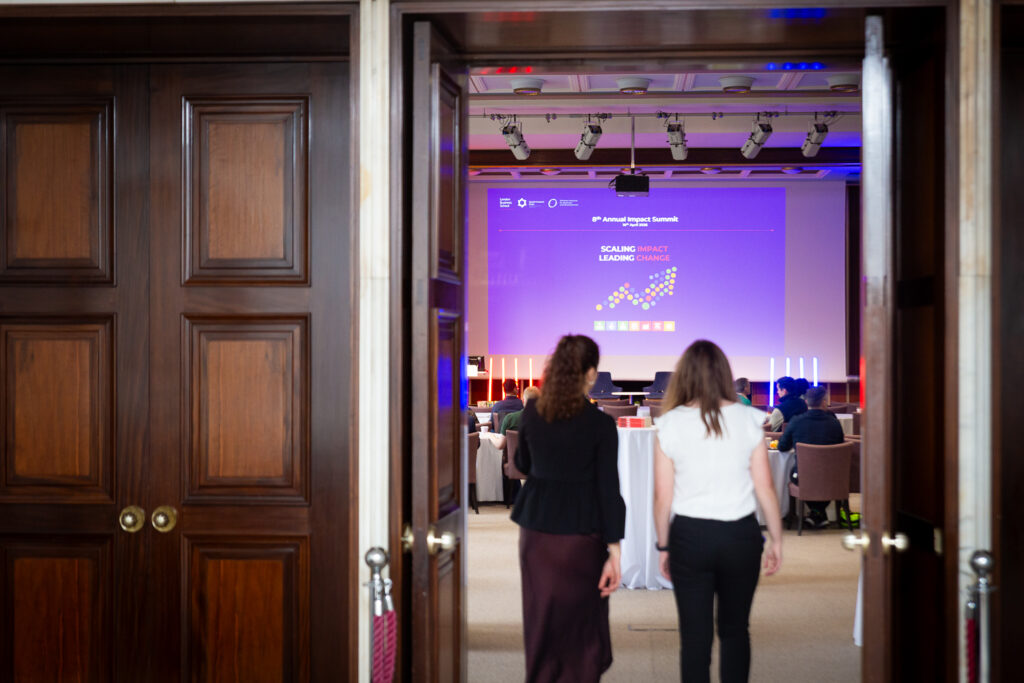
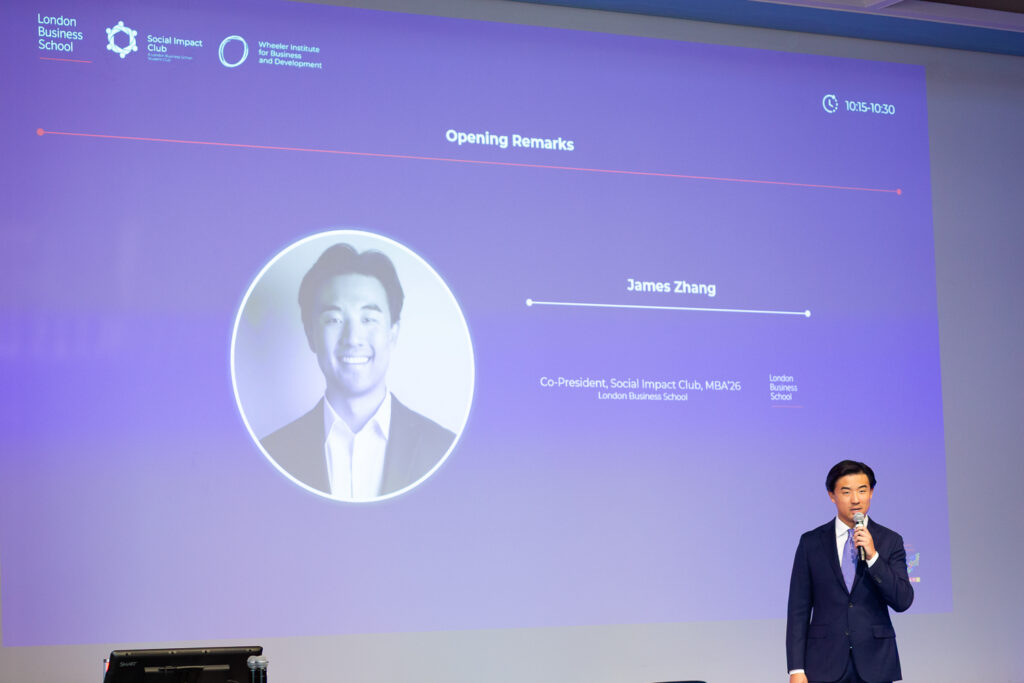
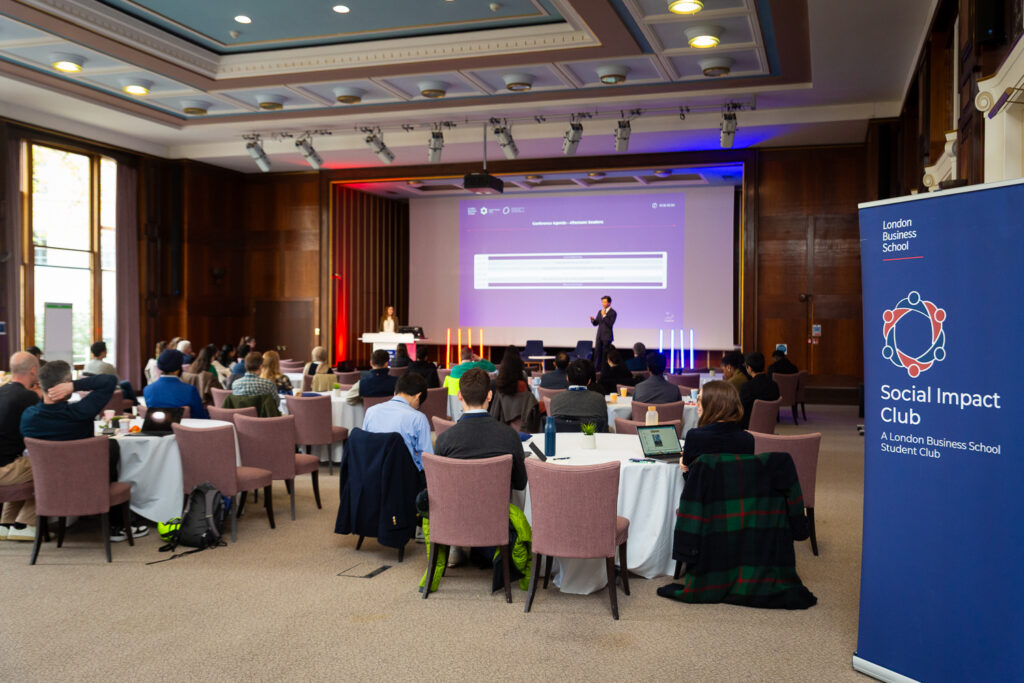
There is a moment in event organising when the agenda you spent months building starts to take on a life of its own. When we designed the LBS Impact Summit 2026, hosted by the Social Impact Club at London Business School with the support of the Wheeler Institute for Business and Development, we structured it around what initially felt like distinct conversations: artificial intelligence, carbon markets, water access, and corporate sustainability. What we did not anticipate was how quickly those conversations would stop feeling distinct at all.
Across panels, speakers from very different sectors kept arriving at the same place – not a shared solution, but a shared constraint. Scaling impact, it turns out, is less about finding the right answer and more about navigating the right trade-offs. That convergence, unplanned and unrehearsed, became the most important thing the summit taught me.
Artificial intelligence: the cost of moving fast
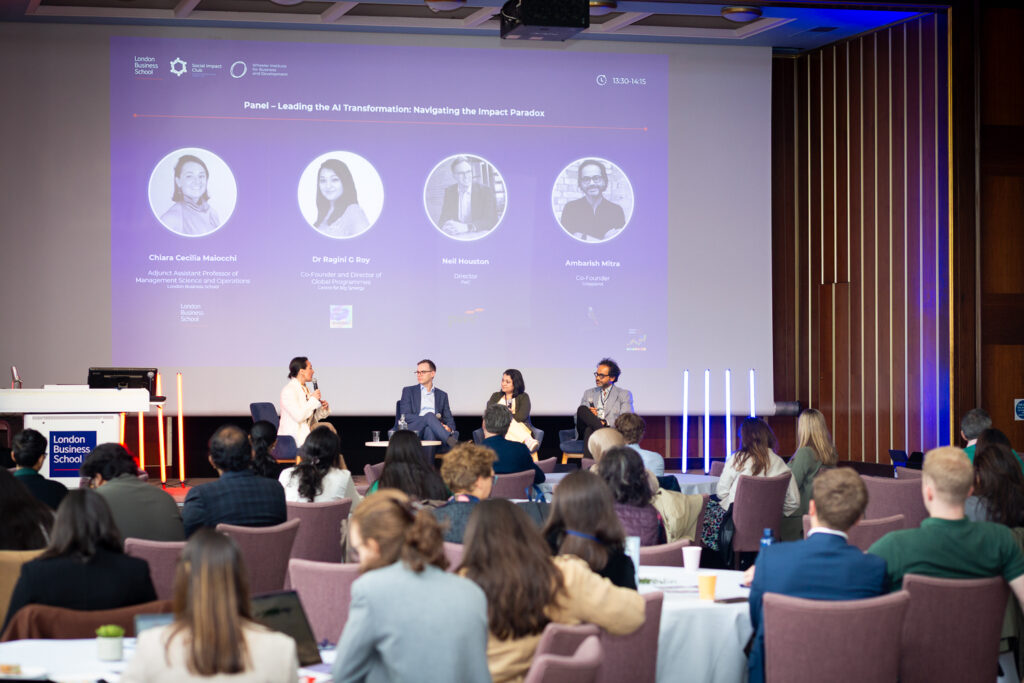
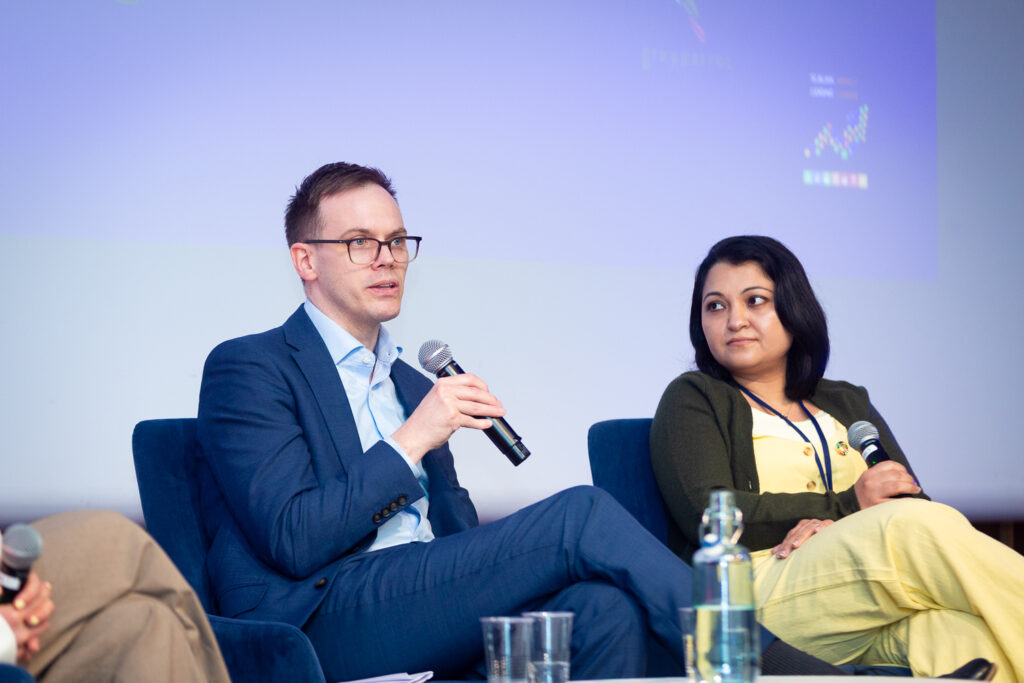
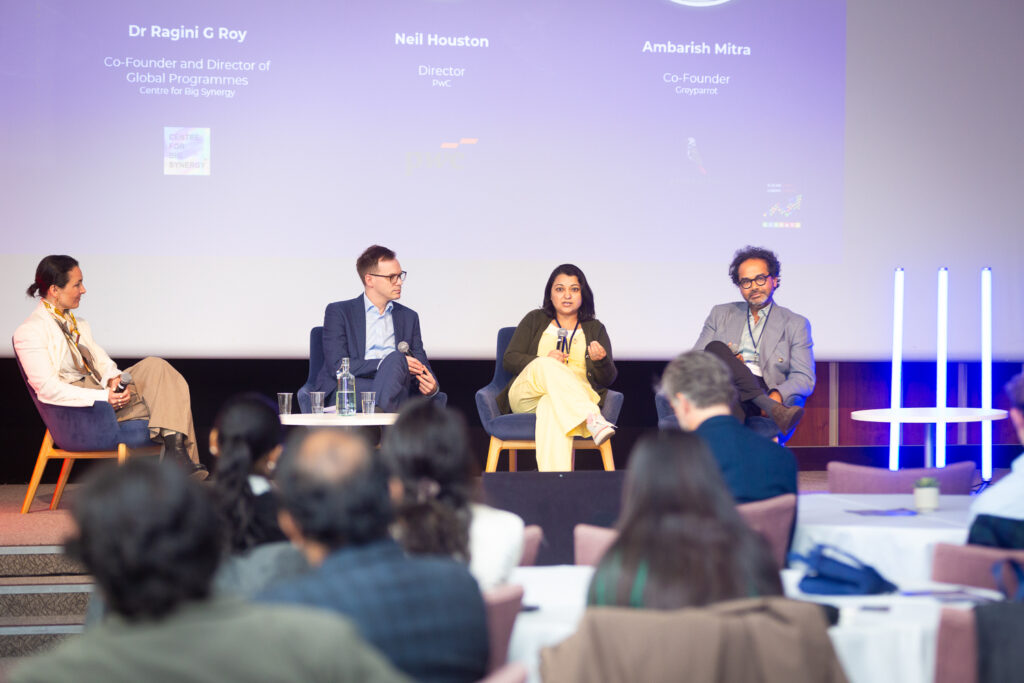
In the session on leading the AI transformation, perspectives from Dr Ragini Roy, co-founder and Director of Global Programmes Centre for Big Synergy, Neil Houston, Director at PwC, and Ambarish Mitra, co-founder at Greyparrot, surfaced a tension that will shape every industry in the coming decade: the trade-off between speed and safety.
Neil Houston mentioned a PwC study[1] of over 1,200 organisations which found that companies rushing to deploy AI without proper foundations are falling behind, while those that slowed down first to build robust governance structures, data quality, and context-specific deployment are capturing 74% of AI’s economic value, concentrated in just 20% of organisations. The lesson is counterintuitive: going slow at the start may be the fastest route to scale.
But governance alone does not resolve the deeper challenge. Open AI systems, capable of generating outputs across billions of combinations, cannot be fully tested before deployment; real-world use is inherently part of their validation. And even in more controlled applications, bias remains stubbornly persistent. A melanoma detection AI trained predominantly on data from white populations failed when deployed in Asia and Africa[2] – one of many documented AI failures in healthcare driven by biased training data. As Neil put it, models reflect the societies that built them, and no amount of technical refinement substitutes for more diverse data and more diverse development teams.
Carbon markets: accepting imperfection at scale
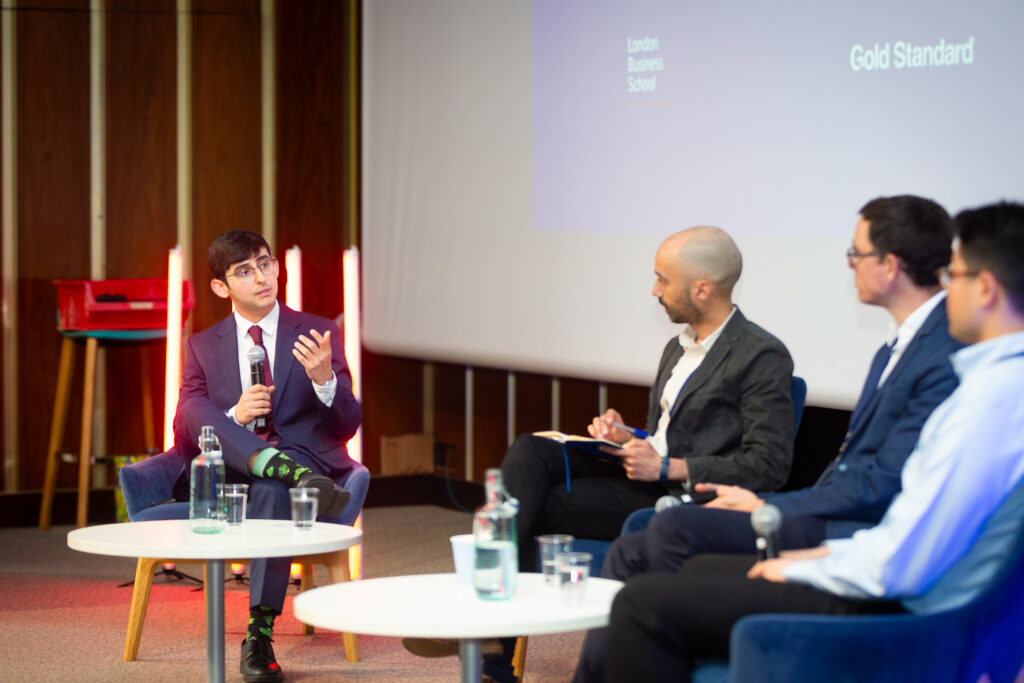
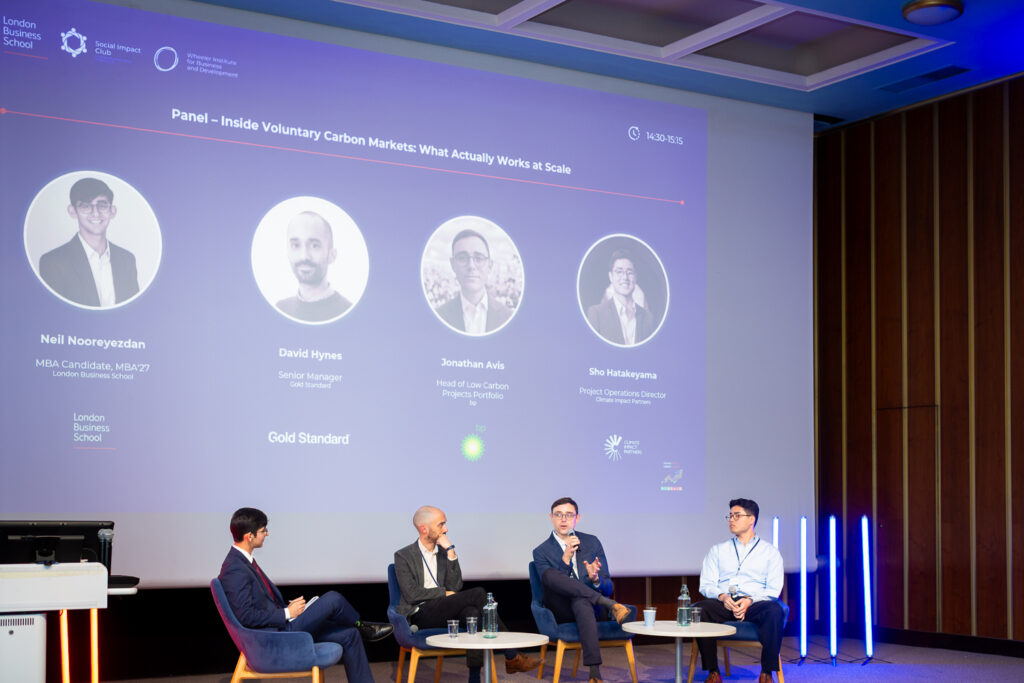
If AI governance is about managing uncertainty in deployment, voluntary carbon markets have spent two decades managing uncertainty in measurement. The session brought together David Hynes, Senior Manager at Gold Standard, Jonathan Avis, Head of Low Carbon Projects Portfolio at BP, and Sho Hatakeyama, Project Operations Director at Climate Impact Partners, to examine how a market designed around scientific rigour has had to make peace with the limits of that rigour in practice.
Gold Standard alone oversees more than 4,000 projects across 100 countries, with over 500 million tonnes of CO₂ reduced to date. Yet a core tension has persisted throughout: methodologies precise enough to satisfy scientific standards are often too complex to implement at scale, while simpler approaches risk eroding the market’s credibility. The gap between ambition and delivery is striking: while corporate climate commitments surged 227% in 2025, the actual use of carbon credits to offset emissions fell by 7% over the same period[3]. Companies are making bigger climate promises while doing less to back them up.
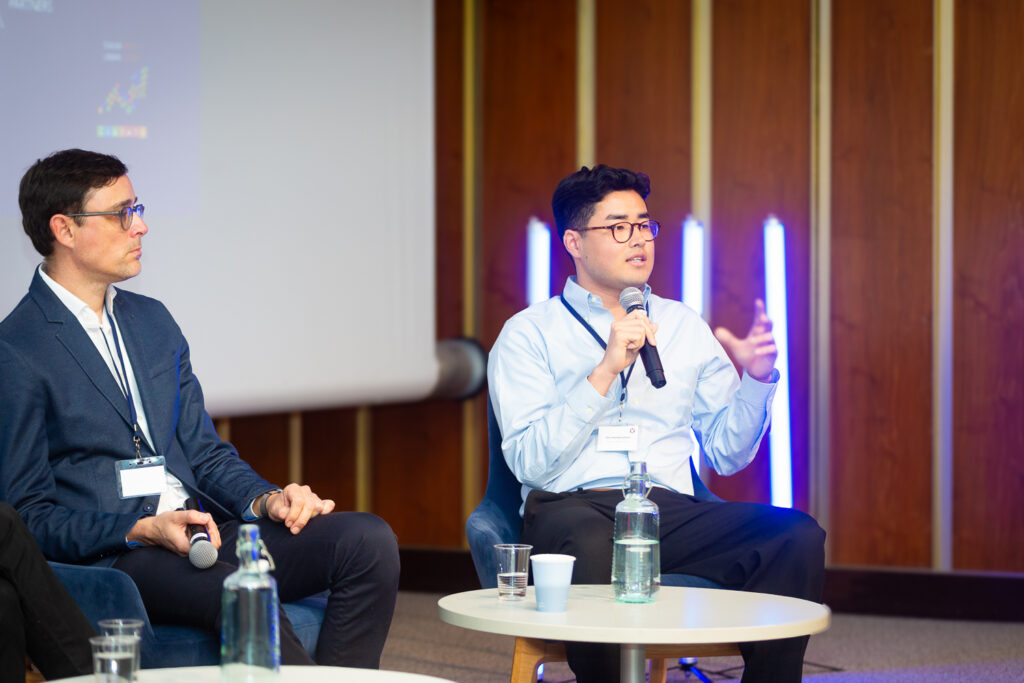
The implementation challenge is starker still. As Sho Hatakeyama of Climate Impact Partners observed, a project can look rigorous on paper without changing anything on the ground- a cookstove initiative in Bangladesh upgraded its measurement methodology without altering how the cookstoves were actually distributed or used: better numbers on paper, same reality on the ground. But even for projects acting in good faith, delivery is slow and difficult. Community trust must be built village by village, credit issuance can take three to four years, and technology needs to be tailored to each geography. Standards are getting stricter from the top down while ground-level delivery is getting harder and slower. The market is demanding more rigour at exactly the moment when rigour is hardest to deliver at scale.The market’s response has not been to resolve this tension but to manage it. A tiered system is emerging, as buyers have grown more selective, credits from the most rigorously verified projects now command prices nearly 50% higher than lower-quality alternatives, a sharp shift from earlier periods when weaker credits fetched comparable prices[4]. But higher selectivity does not mean higher perfection, it means the management of imperfection has become more structured and more expensive. Due diligence frameworks are becoming standard for buyers and investors. The underlying pragmatism is telling: no perfect carbon project exists, and the discipline lies in being conservative about uncertainty while remaining investable- honest enough to be credible, but pragmatic enough to attract the capital the market needs to function.
What struck me was how closely this mirrored the AI conversation. In both cases, the answer to imperfection is not elimination but structure: building systems that acknowledge uncertainty and route around it, rather than ignoring it.
Project Maji: durability over reach
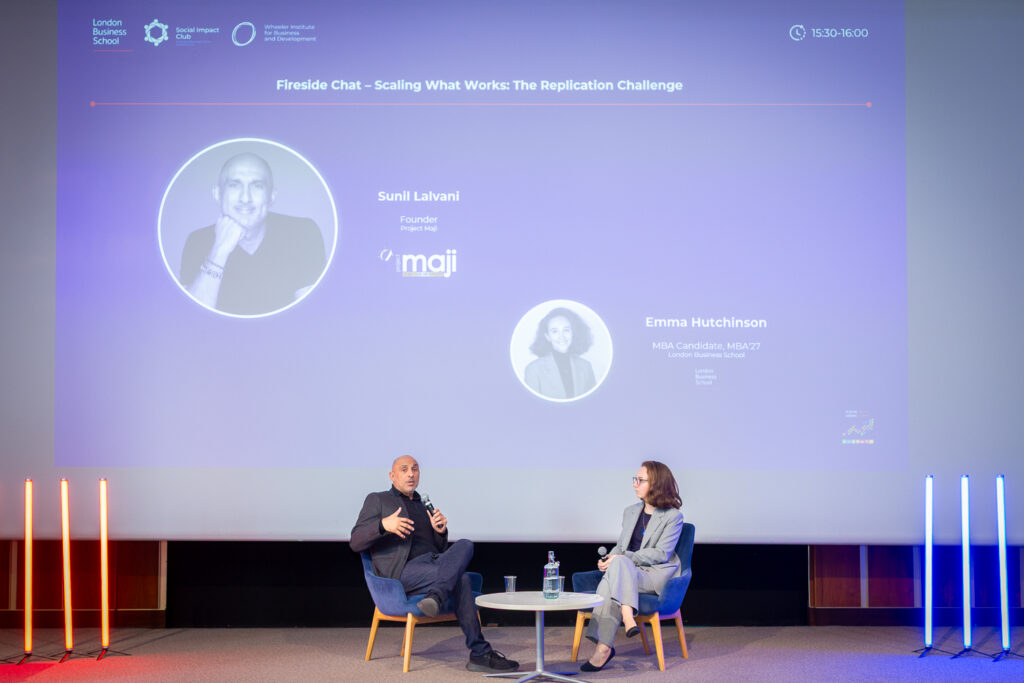
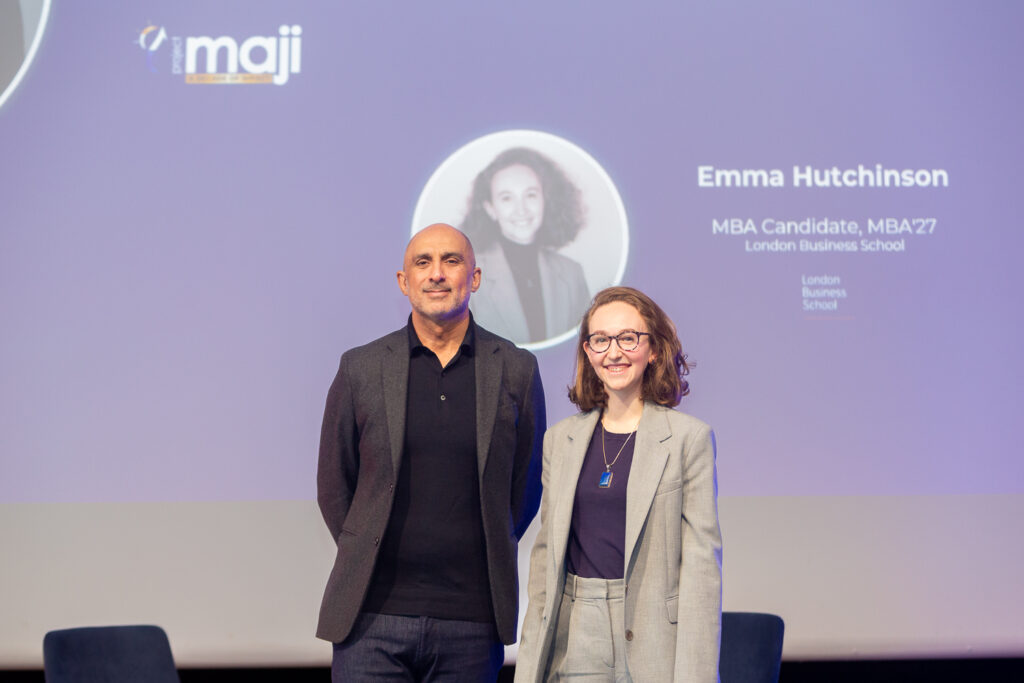
The trade-offs become most tangible when they involve real communities. Project Maji was founded after its CEO, Sunil Lalvani, witnessed children collecting water from roadside puddles in rural Ghana. That image of well-intentioned infrastructure left to fail became the founding problem the organisation set out to solve.
Today, Project Maji’s solar-powered water kiosks serve around 500,000 people daily across Ghana, Kenya, and Uganda, at a cost of roughly $25 per person for lifetime access. The model is hybrid: donor funding covers installation, while a charge of two cents per 20 litres sustains ongoing operations, maintenance, and a local caretaker drawn from the community itself. As Lalvani has described it, the goal is to build water systems that still function “today, tomorrow, next year, ten years from now, long after donors and founders have moved on.”
But sustainability comes at a price. The model depends on communities having at least a minimal ability to pay, with mobile phone penetration used as a practical proxy. Villages that cannot support even a modest payment system are not served – not out of indifference, but because serving them would risk undermining the financial integrity that makes the whole model work. Rather than maximising coverage, Project Maji deliberately prioritises durability. Impact, in this case, is scaled not by reaching the most people at once, but by building systems that continue to function for the people they do reach.

The same conversation, beneath the surface
Looking back across the three sessions, what strikes me most is not the variety of sectors represented but the consistency of the underlying structure. In each domain – AI, carbon markets, water infrastructure – the challenge of scaling impact runs into the same cluster of problems: systems built for speed rather than trust, measurement tools that cannot capture everything that matters, and communities whose needs do not fit neatly into investable models.
Designing the summit around distinct themes was, in retrospect, a useful fiction. The conversations it generated were not distinct at all. They were, beneath the surface, the same conversation: about what it actually takes to do good at scale, in a world that was not built for it. The implication is not that impact cannot scale. It can, and the speakers at the summit are proof. But it cannot scale cleanly, and it cannot scale by pretending the trade-offs do not exist.
For students, investors, and practitioners working at the intersection of business and development, the challenge is not to find perfect solutions. It is to navigate imperfect ones deliberately, transparently, and with enough structural honesty to remain credible over time. In a world of increasing complexity, that capacity for rigorous clear-eyed trade-off management may be the most important leadership skill of all.

About the organisers
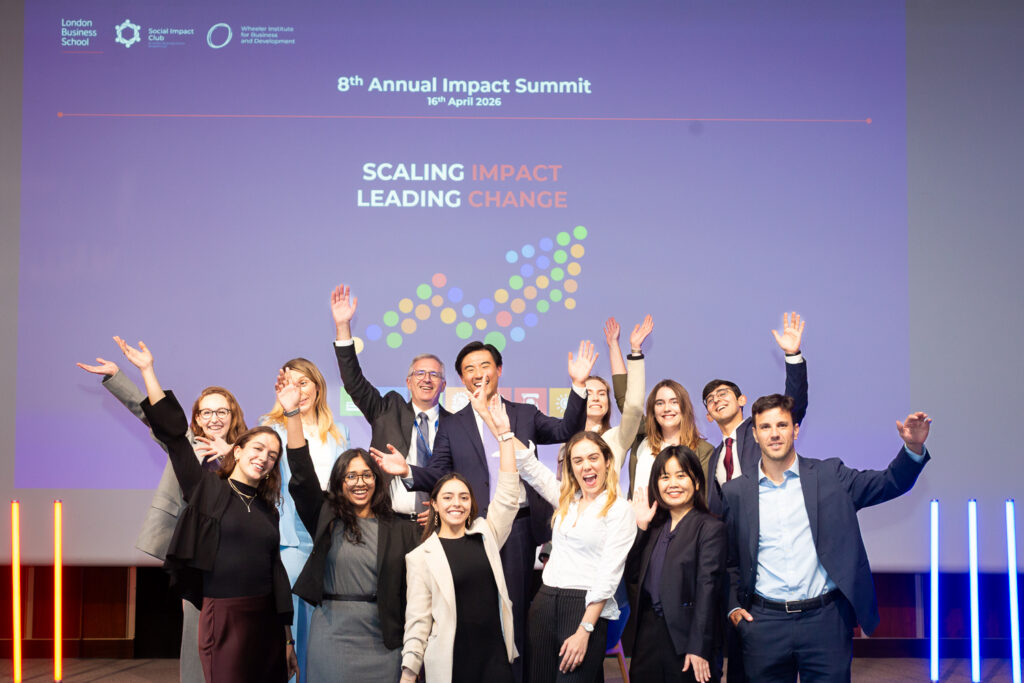
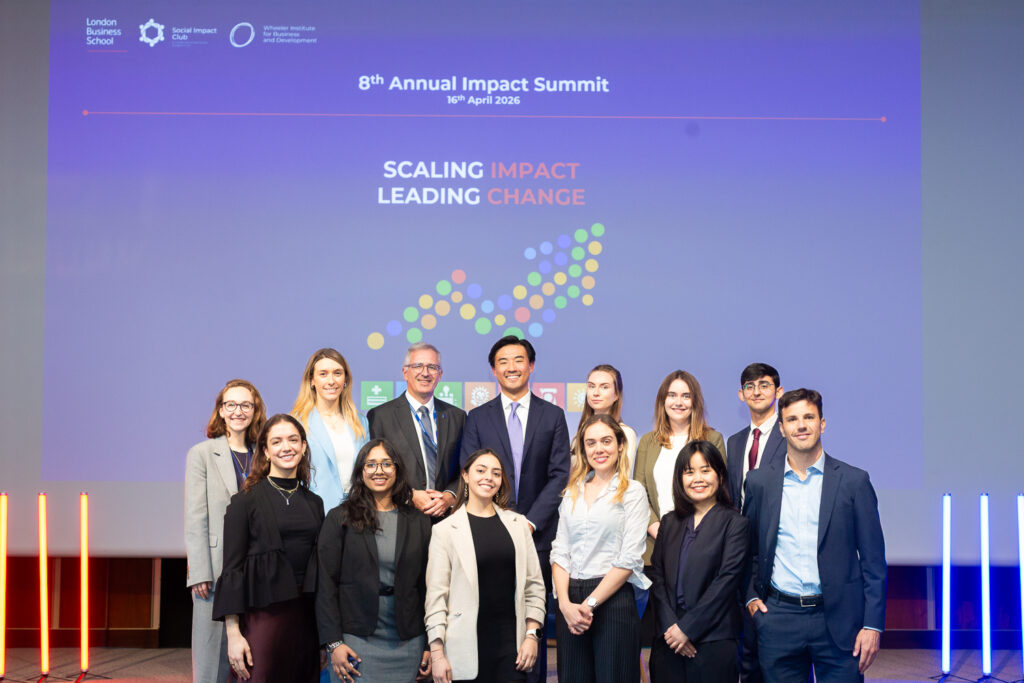
The LBS Impact Summit 2026, held on 16 April at London Business School, was organised by the Social Impact Club under the theme “Scaling Impact. Leading Change”. The conference brought together founders, practitioners, and institutional leaders to share practical lessons on expanding social and environmental solutions – from the opportunities and risks of AI to shifting ESG narratives and proven models for replication at scale.
The Social Impact Club supports students in becoming socially responsible business leaders through opportunities across impact investing, sustainability, social entrepreneurship, and non-profit initiatives, working with students, faculty, alumni, and companies to integrate social values into business education and careers.
The organising team included: Nicole Matousek MBA2026, Amelie Doumerc MBA2026, James Zhang MBA2026, Caterina Barton MBA2027, Neil Nooreyezdan MBA2027, Andres Rodríguez MIF2026, Yukino Shimatani MIF2026, Natalia Romero MBA2027, Shailly Gupta MFA2026, Sophie Fischer MFA2026 and Emma Hutchinson MBA2027
About the writer

Carolina Amaral is an MBA 2026 candidate at London Business School and an Outreach Intern at the Wheeler Institute for Business and Development. She previously worked as a Consultant, where she advised clients across private and public sectors in Latin America. She is interested in how investment, policy, and business innovation can drive scalable economic development in emerging markets, particularly through nature-based and climate solutions at the intersection of technology, sustainability and in finance, and in how private capital and public policy can be leveraged to address climate change. At London Business School, she is Co-President of the Social Impact Club and an Investor Associate at the Student Impact Investing Fund.
References
[1] PwC 2026 AI Performance Study, published April 2026. Available at https://www.pwc.com/gx/en/news-room/press-releases/2026/pwc-2026-ai-performance-study.html
[2] Alam, M. et al. (2025). ‘Artificial Intelligence in Melanoma Detection: A Review of Current Technologies and Future Directions’. International Journal of Intelligent Systems, Wiley. Available at: https://onlinelibrary.wiley.com/doi/10.1155/int/3164952
[3] Carbon Direct (2026). 2026 State of the Voluntary Carbon Market. Available at: https://www.carbon-direct.com/press/carbon-direct-releases-2026-state-of-the-voluntary-carbon-market-report
[4] Calyx Global & ClearBlue Markets (2026). The State of Quality and Pricing in the VCM: 2026. Via Carbon Herald. Available at: https://carbonherald.com/voluntary-carbon-market-sees-sharper-price-signals-as-integrity-gap-widens-new-report-shows
Click here to read about a recent event organised and facilitated by LBS Social Impact Club, CEO and founder of Project Maji and LBS ExecEd alumni, Sunil Lalvani.